
Reviewed · GIRAFFE CENTRE TICKETS
Elephant Orphanage,Giraffe Center&Karen Blixxen Day TripTour
The real draw here is the chance to see Nairobi’s best-known conservation stops in one day: giraffes at feeding height and young rescued elephants gripping milk bottles with their trunks. You also get a useful slice of Nairobi’s recent cultural story at Karen Blixen’s former home and a women-led bead workshop.
I like the strong mix of wildlife and culture, and I like that hotel pickup, a guide, water, and an open-roof van are included. The main caution is cost clarity: the advertised $35 price does not include the listed entrance and conservation charges, which can add substantially to the bill.
Key points at a glance
- Feed giraffes from the raised platform: Learn about their behavior and conservation work while getting close enough to offer food.
- Watch rescued elephants take their milk: The youngest animals are bottle-fed by keepers, while older calves hold large bottles in their trunks.
- Karen Blixen’s actual farmhouse: See the setting linked to Out of Africa and the author’s life in Kenya.
- Finish with handmade Kenyan crafts: Kobe or Kazuri Beads Factory offers pottery, beads, and a look at women’s workshop production.
- Start from several Nairobi neighborhoods: Pickup is offered in Nairobi County, Lavington, Haile Selassie Avenue, Kileleshwa, Westlands, and Kilimani.
- Check the real total before paying: The base price is $35 per person, with separate fees listed for the elephant center, Giraffe Centre, museum, and conservation.
Giraffe feeding at the Nairobi Giraffe Centre
The day begins with a pickup from your Nairobi hotel or apartment. The listed pickup areas cover several central districts, including Westlands, Kilimani, Kileleshwa, Lavington, Haile Selassie Avenue, and Nairobi County. That is useful if you are staying in the city and want transport handled from the start.
At the Giraffe Centre, you see giraffes living in a semi-wild setting rather than behind a conventional zoo barrier. The raised feeding area brings you close to the animals, and feeding is part of the visit. You can expect an introduction to giraffe behavior, physical traits, and conservation work before or during the feeding session.
This is the most hands-on stop of the day. A giraffe’s long tongue and gentle manner make the encounter memorable, especially for children. It also gives you a better sense of the animal’s size than a distant safari sighting does.
Keep your expectations sensible. This is a short city attraction, not a full wildlife drive. The scheduled visit is listed at about 30 minutes, so the stop works best as a focused introduction rather than a slow morning among animals. If you want long observation time, you may find the visit brief.
The tour description places the Giraffe Centre first, though the detailed stop order can vary. Confirm the morning sequence with your guide, particularly if you care about reaching the elephant feeding session at a certain time.
More Giraffe Centre Tickets in Maasai Mara National Reserve:
- Giraffe Center, Elephant Orphanage, Beads Center & Bomas of Kenya Tour Nairobi
★ 5.0 · 95 reviews - Giraffe center, Elephant Orphanage and Beads Center
★ 5.0 · 34 reviews - Group Joining Nairobi National Park and Giraffe Center
★ 5.0 · 3 reviews
Milk bottles and personal stories at David Sheldrick Wildlife Trust
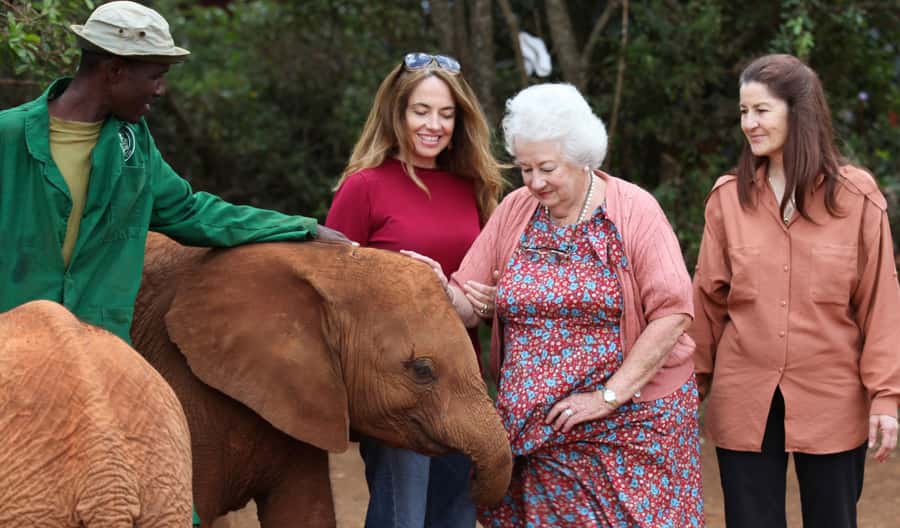
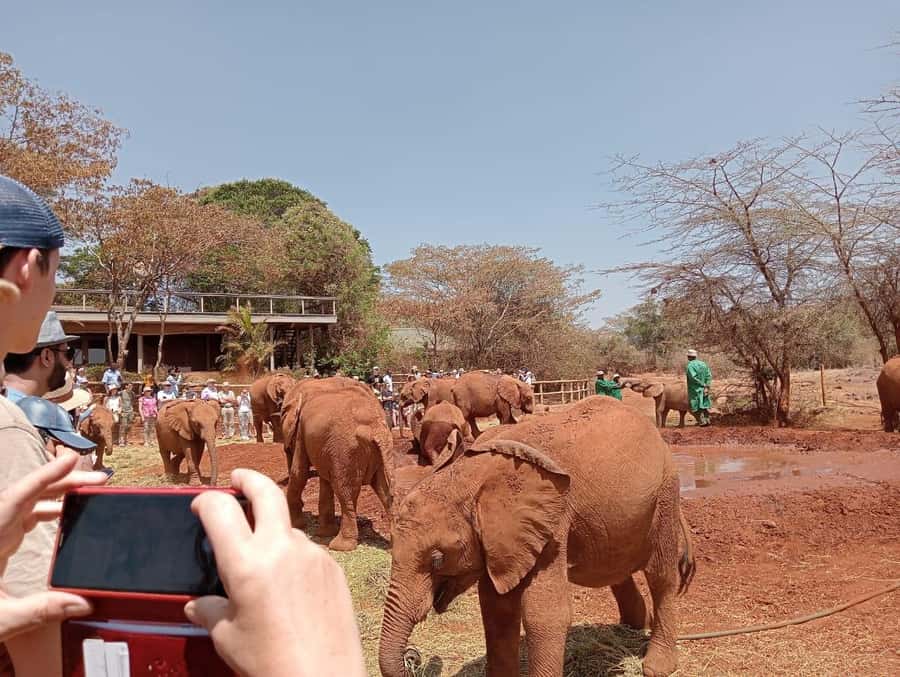
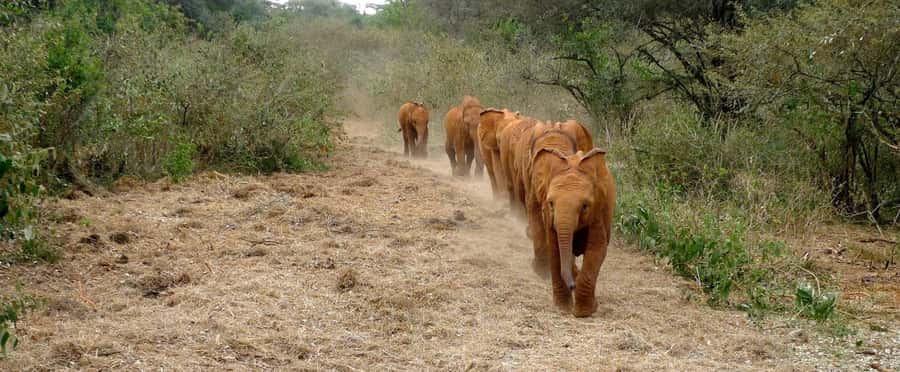
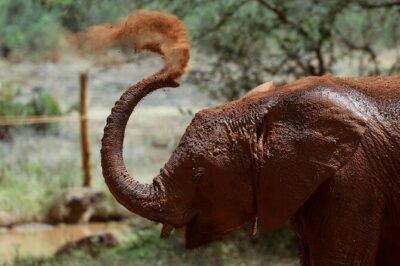
The David Sheldrick Wildlife Trust is the emotional center of the outing. Here, keepers feed rescued baby elephants milk while explaining each animal’s personal story. The youngest elephants gather for their feeding, then the two to three-year-olds take their turn.
The most entertaining detail is also the easiest to picture: older calves can hold giant milk bottles in their trunks and finish several gallons quickly. You may see them play in water, gargle milk, and jostle around one another as keepers manage the feeding.
The visit is not just a photo stop. The personal stories explain why each elephant is being raised at the center and connect the animals to the trust’s rescue work. That context matters. You are seeing young elephants that need human care, not simply watching a staged animal show.
The listed time is about one hour, including a guided tour and shopping. The experience is likely to feel more structured than the Giraffe Centre, since feeding takes place at a set time and keepers control the session. Arrive ready to listen as well as take photographs.
One important budget point needs attention. The advertised tour price includes guaranteed entry to the baby elephant experience, but the separate cost section lists $20 for the baby elephant admission. It also lists a $45 conservation fee payable by card. Since these details appear inconsistent, ask the operator exactly what the $35 covers and what you must pay at the site.
Karen Blixen’s farmhouse and the Out of Africa connection
The Karen Blixen Museum adds a very different mood. The house was once the center of a farm at the foot of the Ngong Hills, owned by Danish author Karen Blixen and her Swedish husband, Baron Bror von Blixen-Fincke.
The farmhouse became famous after the release of Out of Africa, the Oscar-winning film based on Blixen’s autobiography. The museum lets you connect the book and film with a physical place, rather than treating the story as something detached from Kenya.
You should expect a guided visit, photo opportunities, and views on the way. The scheduled museum stop is listed at around 30 minutes, so this is an introduction rather than a lengthy museum study. If you have a strong interest in Blixen, colonial-era Kenya, or the film, you may want more time than the tour provides.
That short visit can still work well in a packed Nairobi day. It breaks up the wildlife stops and gives you a look at a different part of the city’s past. The attraction also sits within the broader Karen area, making it a natural companion to the Giraffe Centre and elephant trust.
The word historical needs a little care here. The house is tied to a famous author and film, but the tour description gives only a brief outline of the property and its owners. Your guide may add useful background, yet the depth of explanation can depend on the guide and the time available.
Beads, pottery, and a working craft stop
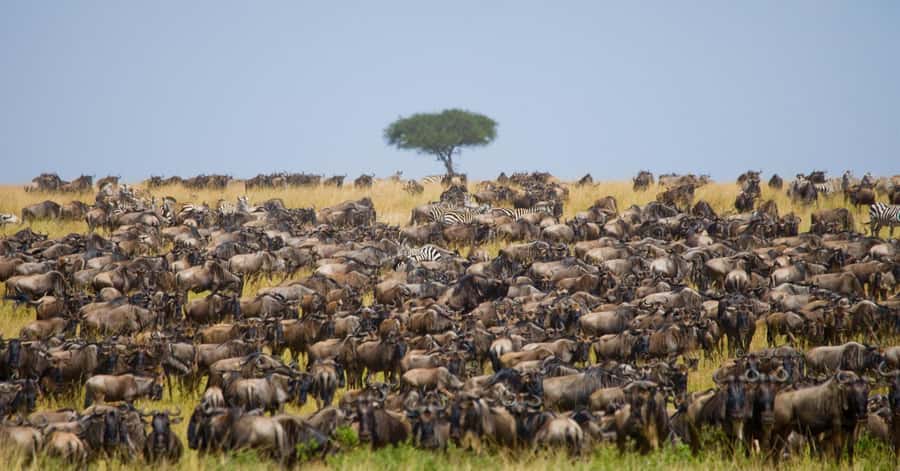
The final stop before returning to Nairobi is the Kobe or Kazuri Beads Factory. The description presents this as a chance to see beads and pottery handcrafted by African women, with time for shopping and a workshop-style visit.
This stop gives the day a practical local angle. You are not only looking at finished souvenirs. You may also see how handmade goods are produced and consider the labor behind the pieces on sale. Beads and pottery are easy to pack, so the stop suits anyone looking for a small reminder of Kenya rather than a large purchase.
The schedule allows about one hour here and includes workshop activity, local snacks, coffee, tea, wine, beer, spirits, and lunch among the possible listed features. Do not assume every food or drink option is included. The exact offerings may depend on the day and the stop used by the operator.
The craft visit may feel commercial compared with the elephant center or museum. That is not automatically a fault. It becomes worthwhile if you want to support handmade production or buy gifts, but you should not treat it as a major museum. Ask your guide how much time is set aside for the workshop and how much for shopping.
More Elephant Orphanage Tours in Maasai Mara National Reserve:
- Elephant Orphanage and Giraffe Center Tour with Options
★ 4.5 · 457 reviews - Nairobi National Park, Elephant Orphanage and Giraffe Centre
★ 4.6 · 365 reviews - From Nairobi: Elephant Orphanage and Giraffe Center Day Trip
★ 4.5 · 235 reviews - Elephant Orphanage & Giraffe Centre Tour
★ 4.5 · 225 reviews
How the day moves through Nairobi
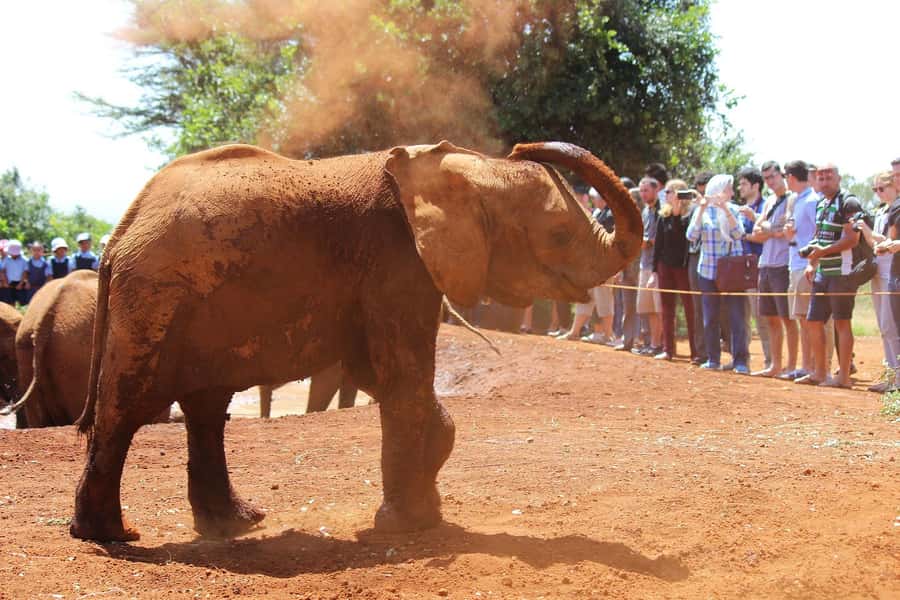
Transport is by open-roof safari van with a driver and guide. The open roof is useful for viewing animals and taking photographs, though the quality of the experience depends on traffic, weather, and how long the vehicle spends between stops.
The listed duration ranges from three to eight hours. That is a wide window. A compact visit with limited time at each attraction may fit the shorter end, while traffic, longer stops, lunch, shopping, and the elephant schedule can push the day toward eight hours.
The attraction sequence also deserves a quick check. The main outline says Giraffe Centre first, followed by the David Sheldrick Wildlife Trust, then Karen Blixen Museum and the bead factory. The detailed schedule lists the elephant trust before several unnamed stops, so the route may change according to opening times, traffic, or the operator’s plan.
You receive hotel pickup and drop-off, and the tour can also finish with an airport drop-off for a flight home. That airport option is particularly useful if you have a long final day in Nairobi, but allow plenty of extra time. The tour data does not give a guaranteed arrival time at the airport, and Nairobi traffic can be difficult.
The English-speaking guide is expected to handle the route and provide the guided visits. No individual guide names are supplied, so you cannot select a particular guide in advance. The booking information says small groups are available, which should make the day easier to manage than a large coach outing, though the exact group size is not given.
What the $35 price really means
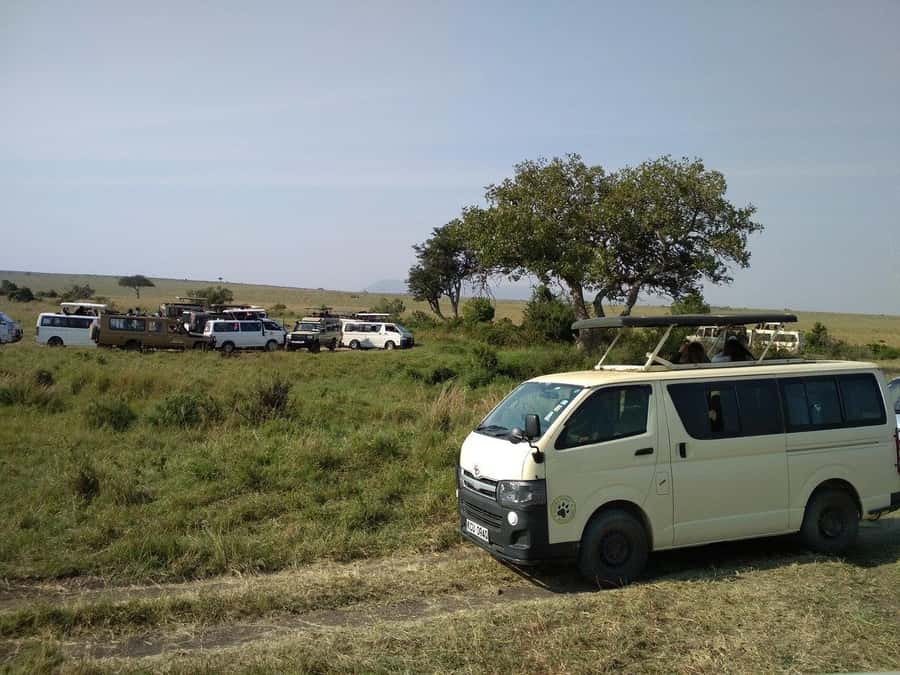
At first glance, $35 per person looks like a low-cost way to see four major Nairobi attractions. The value is strongest if you want one vehicle, one guide, hotel pickup, and a full route without arranging separate taxis.
The included items are:
- Hotel pickup and drop-off from Nairobi
- Driver and professional guide
- English-language guiding
- A bottle of water
- Open-roof safari van
- Guaranteed entry wording for the baby elephant and Giraffe Centre experiences
The listed exclusions are more important than the headline price:
- $20 for the baby elephant visit
- $15 for the Giraffe Centre
- $12 for Karen Blixen Museum
- $45 conservation fee payable by card
If all of those charges apply, the total could be far higher than $35. The listed fees add up to $92 before any personal purchases or food. That makes fee checking essential. Ask for a written breakdown before departure, and confirm whether the conservation fee applies to everyone in your booking.
This does not necessarily make the tour poor value. Nairobi attractions have their own admission costs, and private transport between them can also add up. The point is simply to compare the final price, not the advertised starting figure.
The tour allows free cancellation up to 24 hours before departure and offers reserve now, pay later booking. Those terms help if your Nairobi schedule is still changing. The live guide language is English, and no other language is listed.
Who will get the most from this outing
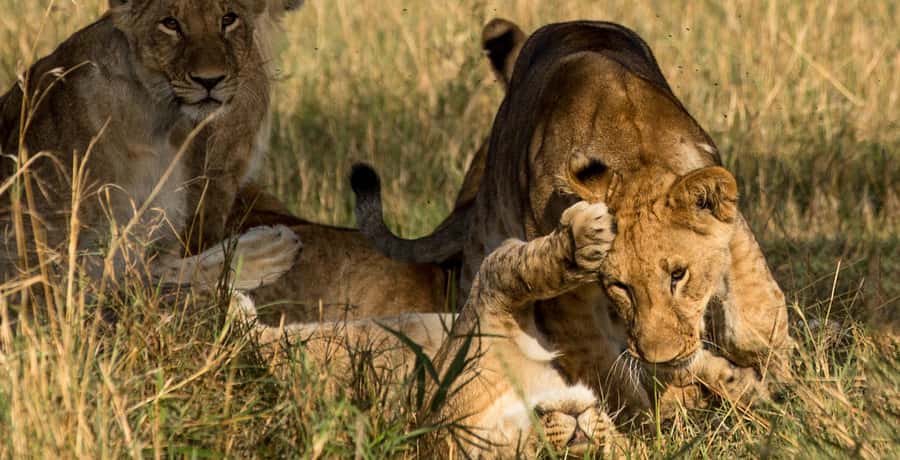
I would consider this tour if you have one free day in Nairobi and want a broad first look at the city’s wildlife and cultural attractions. It suits families especially well because the giraffe feeding and elephant milk session give children clear, memorable activities.
It also works for visitors with a short Nairobi stay who do not want to arrange four separate visits. The hotel pickup and return save time and reduce the need to negotiate transport between attractions.
The day is less suitable if you want a relaxed pace. With four stops, short scheduled visits, traffic, and a possible shopping session, the itinerary is busy. You may get a taste of each place rather than a long visit at any one of them.
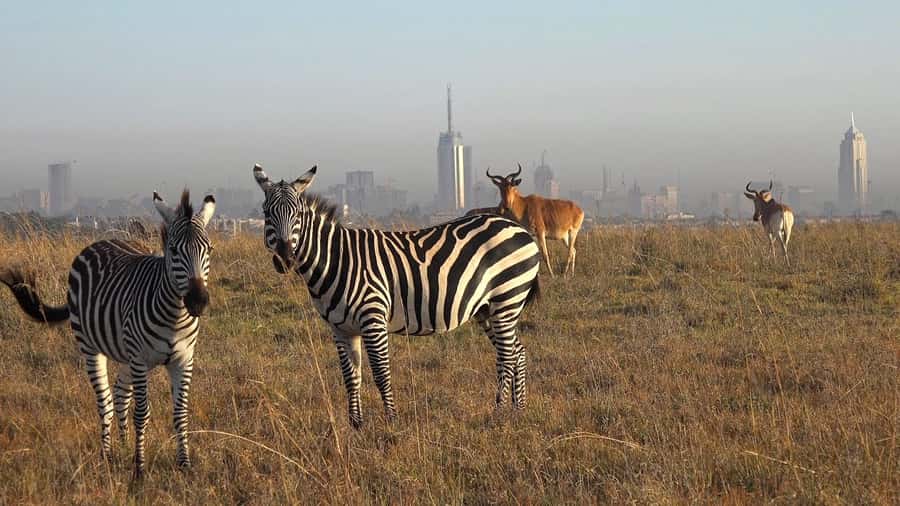
It is also not the right substitute for a Kenya safari. The giraffes and elephants are the wildlife focus, but this is a city day trip. You will not be spending the day searching for animals across a national park.
The mixed rating of 3.2 from 12 reviews suggests you should keep expectations measured. One verified booking from the United States described the day as great and absolutely worth it, while a verified booking from Madagascar offered only a brief positive response, bien. Those comments support the idea that the route can be enjoyable, but they do not provide enough detail to promise a consistently polished experience.
Simple ways to prepare
Bring a payment card for the stated $45 conservation fee. Since the fee and entrance charges are not included in the $35 price, keep a separate budget for admissions, food, and anything you buy at the bead factory.
Wear comfortable clothes and shoes for walking between viewing areas and the different attractions. Bring a phone or camera, but listen during the elephant stories instead of treating the feeding as a quick photo opportunity.
Before setting out, confirm four things with the operator:
- The exact pickup time and location
- The order of the Giraffe Centre and elephant trust visits
- Which admission fees are already covered
- The expected drop-off time, especially if you are going to the airport
If you have only three hours available, ask which stops will be shortened. If you have up to eight hours, check if lunch or a longer craft visit is planned. The flexible duration makes the tour adaptable, but it also means you should not assume a fixed timetable.
Should you book this Nairobi day trip?
Book it if you want an efficient introduction to Nairobi, enjoy close animal encounters, and value included transport more than a slow pace. The combination of giraffe feeding, rescued elephant stories, Karen Blixen’s farmhouse, and handmade beads gives you more variety than a wildlife-only outing.
Think twice if the separate charges bring the final cost beyond your budget, or if you want detailed time at the museum and craft center. The tour is best seen as a convenient sampler. Confirm every fee and the final route first, then book if the total still represents good value for your schedule.
FAQ
Where does the tour pick me up?
Pickup is offered from Nairobi County, Lavington, Haile Selassie Avenue, Kileleshwa, Westlands, and Kilimani. Hotel or apartment pickup in Nairobi is included.
How long does the tour last?
The duration is listed as three to eight hours. Starting times and the final length depend on availability and the day’s route.
What language is the tour conducted in?
The live tour guide and listed tour language are English.
Is transport included?
Yes. Hotel pickup and drop-off, a driver or guide, a bottle of water, and an open-roof safari van are included.
Are entrance fees included in the $35 price?
The separate cost information lists $20 for the baby elephant visit, $15 for the Giraffe Centre, and $12 for Karen Blixen Museum. It also lists a $45 conservation fee payable by card. The wording about guaranteed entry and excluded admission is inconsistent, so confirm the exact total before booking.
Can I be dropped at the airport?
Yes. The tour can finish with an airport drop-off for you to catch your flight home.
Can I cancel the booking?
You can cancel up to 24 hours in advance for a full refund. Reserve now and pay later is also available.
Recently added around Maasai Mara National Reserve
- Lake Naivasha Private Day Tour with Boat Ride from Nairobi★ 4.5 · 3 reviews
- Group Joining Nairobi National Park and Giraffe Center★ 5.0 · 3 reviews
- Hell’s Gate National Park Private Bike Tour from Nairobi★ 5.0 · 3 reviews
- Balloon Safari in Maasai Mara★ 4.5 · 3 reviews
- 3 Days Amboseli National Park★ 5.0 · 3 reviews
- 2-Day Ol Pejeta Conservancy Safari★ 5.0 · 3 reviews
- 2 days Amboseli National Park Safari★ 5.0 · 3 reviews
- 3-Days Masai Mara Rhythms Safari★ 5.0 · 4 reviews
Giraffe Centre Tickets, compared.

National Park & Optional Elephants & Giraffe Center
Read our review →
Elephant Orphanage and Giraffe Center Tour with Options
Read our review →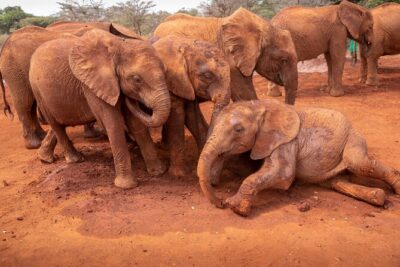
Nairobi National Park, Elephant Orphanage and Giraffe Centre
Read our review →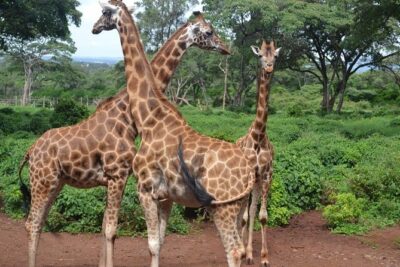
Tour: Giraffe Center and Nairobi National Park
Read our review →
Day tour to Giraffe Center and Karen Blixen Museum
Read our review →Browse the lists this tour appears in