
Reviewed · NAIROBI TOURS
Kitengela Anselm Hot Glass tour
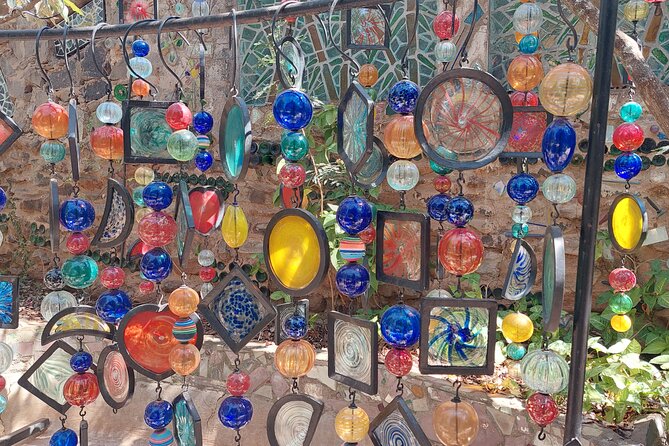
Broken glass gets a second life at Anselm’s Kitengela Hot Glass, where scraps are transformed into colorful bowls, ornaments, lamps, and other useful works. You’ll tour the studio, see the making process explained by a guide, and browse a large shop filled with pieces you can take home.
I like the private format, since your group can move at its own pace, and I like that pickup, entry, transport, and bottled water are included. The main drawback is value: at $110 per person, the price may feel high if you mainly want a short studio visit, especially since one previous guest found the transport costly.
Key points to know before you book
- Broken glass becomes finished art: The studio focuses on reusing waste and damaged glass rather than treating it as rubbish.
- Private hotel or airport pickup: Transport is included, which helps if you are staying in Nairobi or arriving by air.
- The studio sits about 22 miles from central Nairobi: Allow a half day, since traffic can affect the total four to six hour schedule.
- A Samburu or Maasai host welcomes you: A guide then explains the glassmaking process and takes you around the property.
- The gift shop is a real part of the visit: Purchases can be packaged carefully for onward travel, including a safari.
- Hands-on activities cost extra: Blowing bubbles, touching fire, Blown to Life, and Catching Light are not included in the base price.
Why Kitengela Glass makes a good Nairobi outing
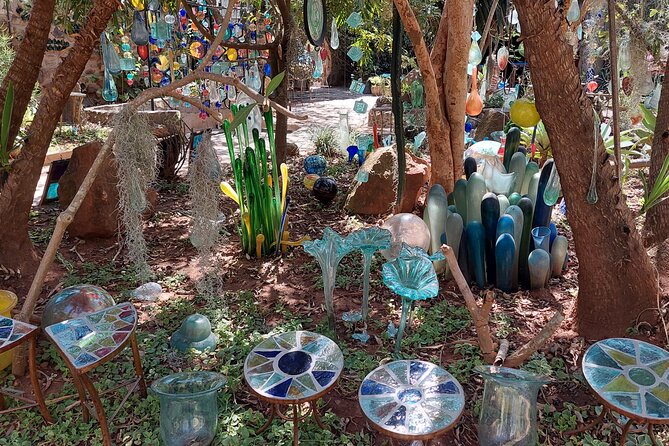
Nairobi has plenty of standard city stops, but Kitengela offers something more specific: a working art studio built around reuse. You are not simply looking at finished souvenirs behind glass. You are shown how broken and discarded glass can be turned into attractive objects with a practical use.
That idea gives the visit its purpose. The colors and shapes catch your eye, but the stronger lesson is simple: material that might have been thrown away can be made useful again. I find that more satisfying than a shop visit with no story behind the products.
The studio is on the edge of Nairobi National Park, roughly 22 miles from Nairobi city center. That distance matters. You are leaving the center for a separate half-day outing, not squeezing in a quick attraction between city sights. The total experience is advertised at about four to six hours, while the studio portion itself is listed at around two hours.
You should plan around the traffic rather than treating the timing as exact. The private pickup gives you more control than joining a large group, but road conditions can still stretch the day.
A few more Nairobi days to weigh up
- Nairobi National Park Half-Day Tour; Free Wi-Fi connection
★ 5.0 · 878 reviews - Nairobi: National Park & Optional Elephants & Giraffe Center
★ 4.8 · 874 reviews - NAI NAMI: Nairobi Storytelling Tour with Street Children
★ 5.0 · 792 reviews
Pickup from Nairobi, airport, or your accommodation
The day begins with collection from your hotel, apartment, or the airport. Transport, bottled water, entry fees, and drop-off are included, so you do not have to arrange a separate taxi or wonder how to reach a studio outside the city.
That convenience is a major part of what you are paying for. If you are new to Nairobi, private round-trip transport removes a layer of planning. It also lets you keep your attention on the visit instead of negotiating a ride back after shopping.
The price is $110 per person. For one person, or for a couple who values door-to-door service and a private guide, that can be reasonable. For a larger group, ask about the available group discount before booking. The same fixed transport may feel better value when spread across several people.
Still, I would compare this cost with your priorities. If your main goal is to buy one small glass item, the tour may be more than you need. If you want an organized visit, a guide, a private vehicle, and the chance to understand the work behind the objects, the package makes more sense.
One practical detail deserves attention: the meeting information says the experience begins and ends in Nairobi, while the pickup details also allow airport collection. Confirm the exact pickup point and timing when you book, especially if you are arriving that day.
A welcome at the edge of Nairobi National Park
On arrival, you are welcomed by a member of the Samburu or Maasai community before being taken around the site. The available details do not provide a guide’s personal name, so do not expect a named host to be guaranteed.
That welcome sets a local tone before the studio explanation begins. You then follow a guide who explains how waste and broken glass are changed into finished products. This is the part to pay attention to if you want more than photographs and shopping.
The setting near Nairobi National Park adds a sense of distance from the city, but the attraction is the glasswork itself. Do not book this as a wildlife activity. The park is a nearby reference point, not a promise of animal sightings or a safari stop.
Your guide’s explanations should help you understand the basic journey from discarded material to a finished piece. The supplied information does not promise a full live demonstration schedule, so the exact amount of active glassblowing you see may depend on the day.
Inside the studio: from waste glass to useful objects
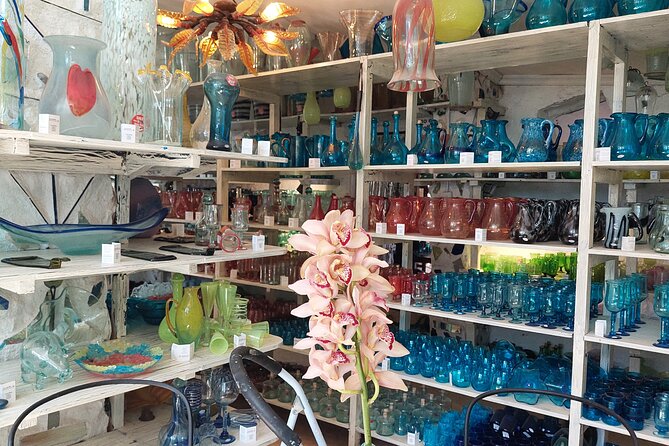
The heart of the outing is the studio tour. You see a range of colorful finished works and learn how broken glass is repurposed into decorative and functional art. That mix is important. The work is not limited to display pieces that look nice but serve no purpose.
You might find objects intended for the home, gifts, or decoration. The selection can vary, but the visit gives you a chance to see the results close up and ask questions through your private guide.
The workshop also helps you judge the price of the products. A glass bowl or ornament is not just a mass-produced souvenir. It reflects material selection, heat, shaping, finishing, and careful packing. You can decide for yourself if the price of a particular item fits your budget and luggage space.
The tour does not include optional activities such as blowing bubbles, touching fire, Blown to Life, or Catching Light. These are separate charges, so ask about the cost before agreeing to take part. The base ticket covers entry and the standard guided visit, not every activity offered at the site.
That distinction is useful for families and curious adults. If you want a more active experience, budget extra. If you prefer to watch and shop, you can keep the visit within the advertised package.
A different kind of day from the same base:
- Nairobi National Park Half-Day Game Drive
★ 4.5 · 738 reviews - Nairobi: Historic and Modern Highlights Walking Tour
★ 4.8 · 703 reviews - Safari Tour; Nairobi National Park
★ 4.5 · 594 reviews - 3 Days Masai Mara Group Joining
★ 5.0 · 486 reviews
The shop is worth planning around
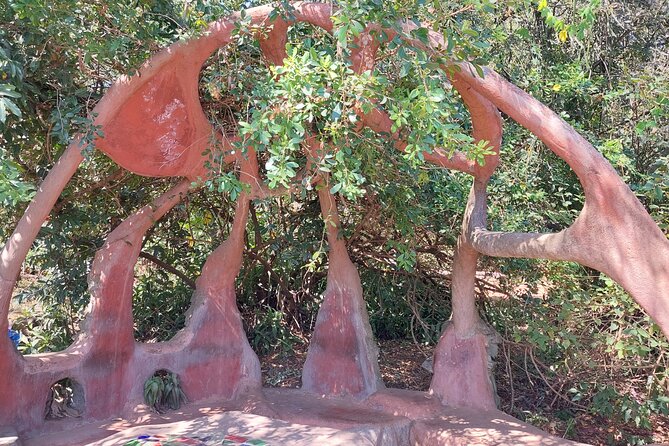
The gift shop is one of the stronger reasons to bring space in your luggage. You can browse a wide range of glass products and buy something if you see a piece that suits you.
A previous guest found the shop especially useful for gifts and noted that purchases were packed well enough to survive a safari and the journey home. That is practical information, because fragile souvenirs are only worthwhile if they reach your house in one piece.
Even with careful packing, handle purchases sensibly. Keep receipts and ask how the item will be protected before you leave the shop. If you are continuing on safari, tell the staff so they can pack with the remaining journey in mind.
You should also leave time for browsing rather than rushing through the display area. The objects are part of the story of the studio, not an afterthought. Looking at finished pieces helps you connect the process you have just heard about with something you can use or give away.
A vegetarian café for the final pause
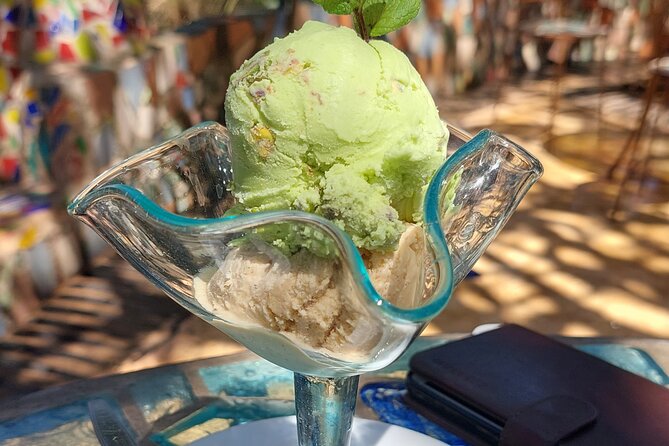
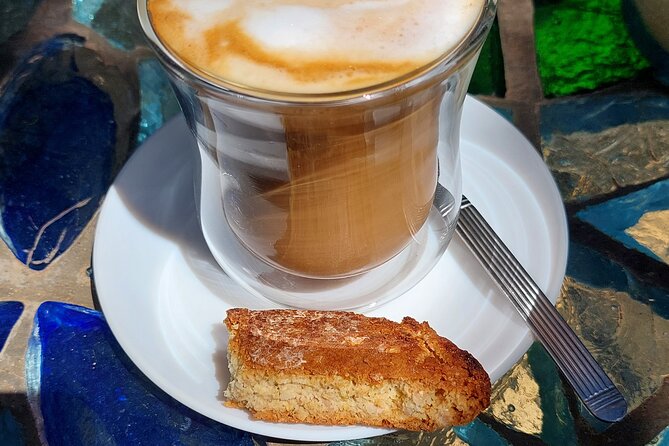
After the studio, you can stop at the on-site vegetarian café. Cappuccino and ice cream are specifically mentioned, making this a pleasant place to finish the visit before returning to Nairobi.
Lunch and snacks are not included, so bring money if you want more than the included bottled water. The café is best treated as an optional break, not a full meal plan unless you confirm the available menu and portions directly.
I like the café option because it prevents the outing from ending the moment you leave the studio. You can sit, cool down, and decide if you want to make a final purchase. It also gives you a natural pause before the drive back.
Do not assume that a meal is part of the $110 price. Entry, transport, pickup, drop-off, and water are included. Food and optional activities are extra.
What the private format changes
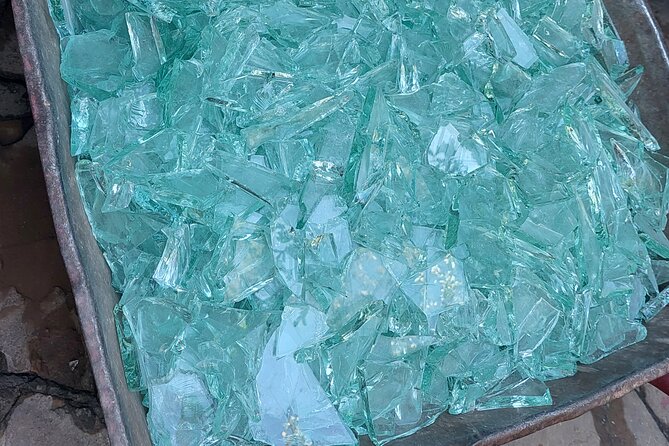
This is a private tour, so only your group participates. That matters most if your schedule is tight, you are traveling with family, or you want to spend more time in the shop than another group would allow.
You can ask the guide to explain a process again, pause at a display, or help you think through a purchase. The tour is not described as a formal workshop with guaranteed personal instruction, but the private arrangement should give you more room for questions than a large shared outing.
The private setup also helps with airport timing, though you should not cut the schedule too closely. The full experience may take four to six hours, and Nairobi traffic can affect both pickup and return.
For solo visitors, the private price may be harder to justify. For couples, families, or small groups using the group discount, the transport and personal attention can make the numbers work better.
Is $110 a fair price?
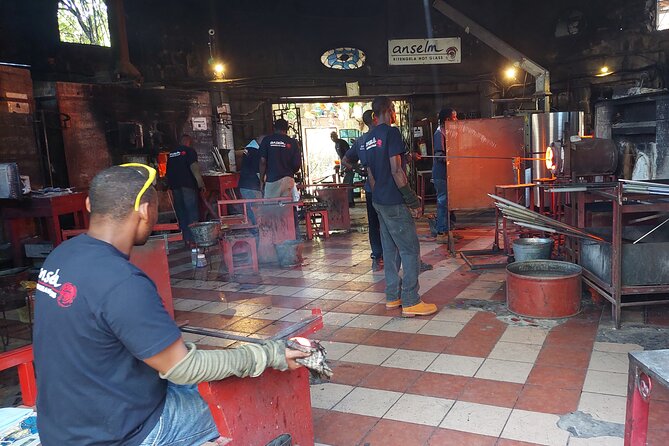
The clearest way to judge the price is to separate the studio admission from the transport package. You are paying for private round-trip travel from Nairobi or the airport, entry, bottled water, a guide, and the convenience of having the day organized.
You are not paying for lunch, snacks, or the optional fire and glass activities. Those extras can raise the final cost, so decide in advance how much you want to spend at the café and shop.
One guest described the trip as very interesting but felt the transport portion was expensive. That is a fair warning. The studio may be the main attraction, but the distance from central Nairobi means a sizeable part of the fee supports getting there and back.
I would call the tour better value for people who want comfort and a private arrangement than for budget visitors who are happy to organize local transport themselves. If you are already booking a private vehicle for other Nairobi plans, ask if a separate driver can take you to Kitengela at a lower total cost. If not, this package saves you that work.
The strong point is not a low price. It is the combination of access, transport, guidance, and a distinctive craft visit.
Who will enjoy this experience most?
I would recommend Kitengela Hot Glass to anyone interested in craft, design, recycling, and locally made gifts. It also suits families because the finished objects give children something clear to look at, while the optional hands-on activities may add interest for older children and adults.
It is a good choice for a free half day in Nairobi, especially if you have already seen the main city attractions and want a different kind of outing. The café and shop make it easy to keep the visit relaxed.
The tour may not suit you if you want a long, technical glassblowing class. The supplied details promise an explanation of the process and a chance to see finished work, but they do not guarantee that you will make your own glass object.
It is also not the right pick if your Nairobi schedule is packed with timed activities. The four to six hour estimate leaves room for traffic, and the studio lies well outside the center.
Most travelers can participate, and the activity is near public transportation, but the package is designed around private pickup and drop-off. You get the most benefit from it if you value that convenience.
Booking, cancellation, and small practical points
Confirmation is provided at booking, and free cancellation is available if you cancel at least 24 hours before the start time. Within 24 hours, the amount paid is not refunded, and changes made during that period are not accepted.
Use the local Nairobi time when judging the cutoff. If you are booking around an airport arrival, leave a margin for delays and confirm the pickup arrangement rather than assuming the driver can wait indefinitely.
The tour includes bottled water, but you should carry any extra drinks, medication, or personal items you need for a half-day outing. Lunch and snacks are your responsibility.
Because glass products can be fragile, bring enough room for purchases and ask the shop staff about packing. The careful packaging reported after one visit is encouraging, but you still need to protect the box during the rest of your trip.
Should you book Kitengela Anselm Hot Glass?
Book it if you want a private, organized outing that combines Kenyan craft, recycled materials, a shop, and a café stop. The best reasons to go are the unusual glassmaking theme, the chance to see waste glass turned into useful art, and the practical hotel or airport transfers.
Think twice if $110 feels high for a two-hour studio visit or if you are mainly looking for inexpensive souvenirs. The total day is longer than the studio portion, and transport is a meaningful part of the cost.
My advice is to book this as a craft experience, not as a quick shopping trip. Ask about group discounts and the price of optional activities before you go, and leave room in your schedule for Nairobi traffic. If those conditions suit you, Kitengela gives you a distinctive half day and a souvenir with a real story behind it.
FAQ
Where is Kitengela Anselm Hot Glass?
It is located about 22 miles from Nairobi city center, on the edge of Nairobi National Park.
How long does the tour take?
The full experience takes approximately four to six hours. The studio visit itself is listed at about two hours.
Is pickup included?
Yes. Pickup and drop-off are included from your hotel, apartment, or the airport, with the activity beginning and ending in Nairobi.
Is this a private tour?
Yes. Only your group participates, and the private format allows more flexibility and personal attention from the guide.
What is included in the $110 price?
The price includes transport, pickup and drop-off, entry fees, and bottled water.
Are food and snacks included?
No. Lunch and snacks are not included, though you can stop at the on-site vegetarian café for items such as cappuccino or ice cream.
Can I take part in glassmaking activities?
Optional activities such as blowing bubbles, touching fire, Blown to Life, and Catching Light are available for an extra fee. They are not included in the standard tour price.
Recently added around Nairobi
- Nairobi; City Walk Tour★ 4.5 · 3 reviews
- 2 Days Amboseli National Park Safari★ 3.5 · 3 reviews
- Private 3-Day Masai Mara Safari Adventure★ 5.0 · 3 reviews
- Kenya safari★ 5.0 · 3 reviews
- Full Day, Small Group Guided Tour to Amboseli National Park★ 4.5 · 3 reviews
- 11-Days Best of Kenya & Tanzania Big 5 Safari on a 4×4 Jeep★ 5.0 · 3 reviews
- 10-Days Explore Kenya Wildlife Private Safari★ 5.0 · 3 reviews
- Nairobi: Giraffe Center, Beads Factory & Bomas of Kenya Tour★ 4.5 · 3 reviews
Nairobi Tours, compared.

Nairobi National Park Half-Day Tour; Free Wi-Fi connection
Read our review →
National Park & Optional Elephants & Giraffe Center
Read our review →
NAI NAMI: Nairobi Storytelling Tour with Street Children
Read our review →



