

Reviewed · NAIROBI TOURS
City Tour/Feel Like a local for a moment
Nairobi reveals itself best from the back seat of a matatu, not through a tinted tour van window. This six-hour outing uses shared minibuses, neighborhood walks, markets, and lunch to show you how the city works day to day. I like the small cap of eight people, and I like the chance to ask questions as you go rather than follow a rigid script.
The guides are another strong point. Harriet, Daisy, Henrietta, Maxine, and Winnie are named in the feedback, with special praise for their friendly manner, local knowledge, good humor, and care with personal safety. The main consideration is comfort: public transport, busy shopping areas, and walking require good shoes and an easygoing attitude. You also need to carry passport identification and leave flashy valuables behind.
Key points to know before booking
- Ride Nairobi’s matatus: Public minibuses are part of the experience, not just a way to fill the gaps between sights.
- Keep the group small: The maximum is eight people, giving you room for questions and conversation.
- Shop at Maasai Market: Your guide helps with bargaining and aims to secure local prices.
- See several sides of the city: The route joins a national monument, a meat market, a large modern mall, and a crafts market.
- Lunch and water are included: You pay extra only for items such as alcohol, tips, and anything not listed.
- Prepare for practical restrictions: Wear sturdy shoes, carry passport pages, use your phone instead of a camera, and avoid conspicuous jewelry.
Why this Nairobi tour feels different
Many city tours keep you inside a vehicle and point at buildings through the glass. This one asks you to take part in the city’s ordinary rhythm. You ride public transportation, walk through shopping areas, stop for local food, and spend time talking with a guide who can explain what you are seeing.
That makes the tour especially useful on a first visit. You learn not only where Nairobi’s landmarks are, but also how people move between parts of the city, where they shop, and how public spaces fit together. The guides have been praised for making the day feel personal, with Harriet and Winnie compared to relatives showing someone around.
The small-group limit matters here. A group of eight can gather around a market stall or fit into a matatu with less fuss than a large coach party. You can ask why a certain food is popular, how bargaining works, or what a memorial means without waiting for twenty other people to finish taking pictures.
This is not a polished sightseeing loop with every minute fixed. The experience includes several named stops, but the overall day also allows time for discussion, lunch, public transport, and possible additions such as a national museum, archives, or a memorial site. Daisy’s day with two visitors included the former United States Embassy Memorial, Kenya National Archives, a food shop, lunch, and souvenir shopping. Treat that as a possible variation rather than a guaranteed part of every departure.
More City Tours in Nairobi
- Nairobi Historical Walking City Tour
★ 5.0 · 258 reviews - Nairobi City Walking Tour with Traditional Kenyan Lunch
★ 5.0 · 106 reviews - Nairobi: Private 4-Hour City Tour
★ 4.5 · 68 reviews
Starting at Kenyatta International Conference Center
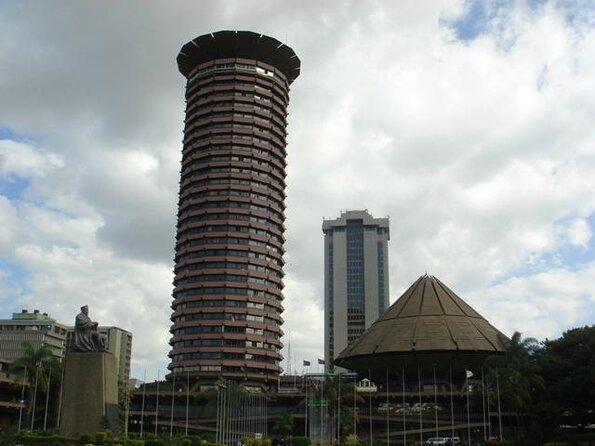
The day begins at about 8 a.m. at BataWatalii Lane in Nairobi. One early stop is the Kenyatta International Conference Center, where you have about 15 minutes to take a picture at the Kenyatta Monument.
That short stop is more about orientation than a long visit inside a building. The monument gives you a recognizable Nairobi starting point and a chance to ask about Kenya’s political and national story before heading into the city’s commercial areas.
Do not expect an extended museum visit here. If your priority is a detailed tour of the conference center or a long architectural explanation, this stop may feel brief. If you want a quick landmark and a useful beginning to the day, the timing works well.
City Market and the everyday food trade
At City Market, the focus is the meat-shopping area used by local shoppers. You get a close look at a side of Nairobi commerce that a standard monument tour usually skips.
This is a practical stop, not a staged food attraction. You may see the sights, smells, and working routines of a real market, with your guide explaining what is happening and answering questions. It is a good place to connect the city’s food culture with ordinary shopping habits.
You should be comfortable in a market setting before booking. The visit is short, around 15 minutes, and the description does not promise a full cooking lesson or a long tasting session. An optional street-food tasting may be available during the day, but it is not listed as part of the included package, so ask your guide what is planned and what costs extra.
Taking a matatu through Nairobi

The public transport portion is one of the most memorable parts of the day. Transit fees are included, and the route uses matatus, Nairobi’s shared minibuses, to move between areas.
A matatu ride gives you a more direct feel for the capital than private transport. You see how people commute, experience the pace of the roads, and learn how neighborhoods connect. The ride can also be crowded or less predictable than a private vehicle, which is exactly why it feels like local life rather than a sightseeing simulation.
This is where a good guide makes a real difference. Harriet was praised for helping a visitor feel safe, while Henrietta was described as fun and well informed. You can expect the guide to help you understand the process, but you should still be ready for standing, waiting, or adjusting to city traffic.
The tour lasts about six hours, yet the listed stops account for only part of that time. The remaining hours are likely used for transport, lunch, walking, conversation, and shopping. That is a benefit if you dislike rushed sightseeing. It also means the exact pace can depend on traffic and how long the group spends at each place.
A few more Nairobi days to weigh up
- Nairobi National Park Half-Day Tour; Free Wi-Fi connection
★ 5.0 · 878 reviews - Nairobi: National Park & Optional Elephants & Giraffe Center
★ 4.8 · 874 reviews - NAI NAMI: Nairobi Storytelling Tour with Street Children
★ 5.0 · 792 reviews - Nairobi National Park Half-Day Game Drive
★ 4.5 · 738 reviews
Two Rivers Mall and modern Nairobi

Two Rivers Mall receives about 45 minutes. The idea here is to shop as locals do at one of Kenya’s largest malls, giving you a look at a newer, more modern side of Nairobi.
This stop helps balance the market visits. Nairobi is not only historic buildings and street commerce. It is also a city with major retail centers where people meet, shop, eat, and spend leisure time.
The mall is included as part of the route, but purchases are not included in the tour price. You can use the stop to buy snacks or compare the polished retail setting with the more traditional markets you visit later.
Some people may find 45 minutes too long if they are mainly interested in old Nairobi, local food, or history. I see its value as contrast. After City Market and public transport, Two Rivers shows a different part of the capital and keeps the day from presenting Nairobi as only one kind of place.
Lunch, local food, and time to ask questions

Lunch is included, which improves the value of the $55 price. You are not left to find a restaurant during a packed day, and the meal gives you a natural pause between walking, riding, and shopping.
The exact restaurant and menu are not specified, so do not book this expecting a particular dish. The food-focused feedback points to Kenyan foods, snacks, local restaurant dining, and street food as possible parts of the day. If trying local dishes is important to you, tell the guide early and ask what is available.
I like that the schedule allows conversation. Several of the strongest comments focus on guides who explained the city clearly, answered questions, and kept the outing relaxed. That is useful in Nairobi, where a short stop can raise more questions than it answers.
A street-food tasting is optional. Bring an open mind, but also remember that optional usually means it may involve an extra charge or may depend on the day’s route. Alcoholic drinks are not included.
Maasai Market and the art of bargaining

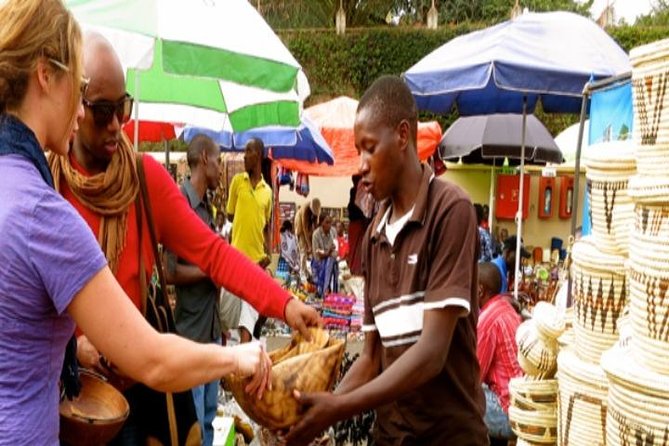
The Maasai Market gets about an hour and is the main shopping stop. You can look for handmade souvenirs and practice bargaining with help from your guide.
This is not simply a chance to buy something quickly. Shopping in a market is social, and the right price often depends on how you negotiate. The guides are specifically praised for haggling on behalf of the group, which can make the process less stressful if you are new to bargaining.
Still, keep your expectations sensible. No guide can promise a fixed price or guarantee that every item is handmade. Ask questions, compare several stalls, and decide what an item is worth to you before you begin negotiating. If you do not want to shop, you can still enjoy the market atmosphere and watch the process.
The hour is long enough to browse without making the day feel like a shopping excursion. You should bring room in your bag, but avoid carrying expensive jewelry or other flashy items.
Guides who shape the experience
The clearest strength of this outing is the human side. Harriet is praised for being warm and reassuring. Daisy is described as an excellent local guide who explained museum collections and memorial sites. Henrietta is praised for her humor, while Maxine is remembered as caring and easy to trust.
Those details matter more than a long list of attractions. A local guide can explain why a market matters, tell you what to notice on a matatu ride, and help you handle a bargaining exchange without turning the whole day into a performance.
The guide names may vary by departure. You should not book with the assumption that one specific person will lead your group unless the operator confirms it. The consistent expectation is a personal, conversational style, with time to ask questions and discuss what you see.
Is $55 a fair price?
At $55 per person, this tour offers solid value if you plan to use the included parts. The price covers about six hours, a guide, lunch, bottled water, and public transport between locations. It also keeps the group to eight people, a useful limit for markets and matatus.
You still need money for souvenirs, optional food tasting, alcoholic drinks, and tips. The tour does not include everything you might buy during the day, but it covers the basics needed to keep moving.
A private car and a more formal sightseeing program could offer greater comfort. This tour’s value comes from access and context, not luxury. I would choose it if you want to understand daily Nairobi and prefer a small group. I would look elsewhere if you want a private vehicle, a tightly controlled schedule, or a full day of major museum admissions.
What to bring and what to expect
Wear good walking shoes. Sandals and high heels are specifically discouraged, and the combination of walking, market surfaces, and public transport makes that advice sensible.
Carry a copy of your passport, including the main page and the page showing your visa stamp, or bring your original passport. Service animals are allowed, and most people can participate, but the day still requires comfort with walking and shared transport.
You are told not to bring a camera because photography in town is not allowed. A phone is acceptable, so keep it discreet and follow your guide’s instructions before taking pictures. Leave flashy jewelry and unnecessary valuables at your accommodation.
Pickup is offered, but the stated starting point is BataWatalii Lane. Confirm the pickup details when booking so you know exactly where to meet. The tour returns to the meeting point at the end.
Free cancellation is available up to 24 hours before the start time. Changes or cancellations made less than 24 hours ahead are not refunded, and poor weather can lead to a new date or full refund.
Who should book this experience?
I would recommend this tour to you if you want local transport, everyday shopping, Kenyan food, and a guide who can explain the city in plain terms. It suits curious first-time visitors, solo visitors who want company, and anyone who prefers conversation over a long list of photo stops.
It is also a good choice if you want a gentle introduction to bargaining. Having Harriet, Winnie, or another guide help with the process can save you uncertainty and make the Maasai Market more enjoyable.
Think twice if you dislike crowded public transport, market environments, or a flexible schedule. The tour is not designed as a luxury city transfer, and the camera restriction may disappoint serious photographers.
FAQ
How long does the Nairobi city tour last?
The tour lasts approximately six hours.
What time and where does the tour start?
It starts at 8 a.m. at BataWatalii Lane in Nairobi. Pickup is offered, but you should confirm the exact pickup arrangement when booking.
Where does the tour end?
The activity ends back at the meeting point.
Is lunch included?
Yes. Lunch and bottled water are included in the tour price.
Are public transportation fees included?
Yes. Public transportation fees for moving between the different locations are included.
How many people can join the tour?
The group has a maximum of eight people.
Can I take a camera?
No camera should be brought because photography in town is not allowed. A phone is permitted, subject to the guide’s instructions.
What happens if I need to cancel?
You can cancel up to 24 hours before the start time for a full refund. Cancellations or changes made less than 24 hours before the tour are not accepted for a refund. If poor weather causes the operator to cancel, you will be offered another date or a full refund.
Should you book it?
Book this Nairobi tour if your idea of sightseeing includes a matatu ride, a meat market, local lunch, a modern mall, and time at a crafts market. The strongest reason to go is the combination of small-group access and personable guides who make the city easier to understand.
Skip it if you want a private vehicle, extensive indoor sightseeing, or a fixed list of major attractions. For an active, social introduction to how Nairobi moves, eats, and shops, $55 is a reasonable price. Expect real city conditions, pack practical shoes, and let the day be a little less polished than a standard coach tour.
Recently added around Nairobi
- Nairobi; City Walk Tour★ 4.5 · 3 reviews
- Kenya safari★ 5.0 · 3 reviews
- 2 Days Amboseli National Park Safari★ 3.5 · 3 reviews
- Private 3-Day Masai Mara Safari Adventure★ 5.0 · 3 reviews
- 11-Days Best of Kenya & Tanzania Big 5 Safari on a 4×4 Jeep★ 5.0 · 3 reviews
- Full Day, Small Group Guided Tour to Amboseli National Park★ 4.5 · 3 reviews
- 10-Days Explore Kenya Wildlife Private Safari★ 5.0 · 3 reviews
- Nairobi: Giraffe Center, Beads Factory & Bomas of Kenya Tour★ 4.5 · 3 reviews
Nairobi Tours, compared.

Nairobi National Park Half-Day Tour; Free Wi-Fi connection
Read our review →
National Park & Optional Elephants & Giraffe Center
Read our review →
NAI NAMI: Nairobi Storytelling Tour with Street Children
Read our review →



Elephant Orphanage and Giraffe Center Tour with Options
Read our review →Browse the lists this tour appears in