
Reviewed · NAIROBI TOURS
3 Days Masai Mara
Masai Mara is not a quick photo stop. The reserve rewards time, and this three-day safari gives you an afternoon drive, a full day in the park, and another morning before returning to Nairobi. That extra time matters when you are waiting for a leopard to appear or watching a herd move across the plains.
I like the small maximum group of six, which should make it easier to see the guide’s chosen sights without a crowded vehicle. I also like the practical package: hotel pickup in Nairobi, meals, water, transport, and tented accommodation are covered. The main drawback is the long road time, especially on the final day, and the $820 price is a serious commitment for three days.
Key points to know before booking
- Three separate safari periods: You get a late-afternoon game drive on day one, a full-day drive on day two, and more time in the reserve on day three.
- Small groups capped at six: This is useful for personal service and better viewing space inside the vehicle.
- Great Rift Valley viewpoint: The road from Nairobi includes a scenic stop before continuing through Narok to the reserve.
- Migration timing matters: Wildebeest crossings at the Mara River are associated with July through September, but sightings are never guaranteed.
- Maasai village visit costs extra: The visit can be arranged on the final morning for $10 paid directly to the village.
- Most major costs are included: Transport, parking fees, drinking water, WiFi on board, two breakfasts, three lunches, and two dinners are part of the package.
The long road from Nairobi to Masai Mara
Your safari begins with pickup after breakfast at your Nairobi hotel. Pickup is offered from any location in Nairobi, which removes one of the annoying parts of arranging an early safari: getting across the city to a separate meeting point.
The drive takes you toward the Great Rift Valley escarpment, with a stop at the viewing point. This is a useful break from the road and one of the trip’s best scenic moments. You can look across the broad Rift Valley and get a sense of the scale of Kenya before the wildlife portion begins.
The route continues through Narok, an important town on the way to Masai Mara. The schedule then brings you to camp in time for lunch. From there, the first game drive runs through the late afternoon until sunset.
That opening drive is well chosen. You do not spend the entire first day simply driving to the reserve, and the late afternoon can be a good period for watching animals become active. Still, the first day includes several hours on the road, so you should expect a travel day with safari time, not a full day inside the reserve.
More Maasai Mara Safaris in Nairobi:
- 3 Days Masai Mara Group Joining
★ 5.0 · 486 reviews - 5 Days Masai Mara, Lake Nakuru & Naivasha Budget Joining Safari
★ 5.0 · 229 reviews - 3 Days Gamedrive Safari In Masai Mara From Nairobi
★ 5.0 · 207 reviews
Day one: first animals before sunset
After lunch at camp, you head into Masai Mara for the first game drive. The exact route and sightings depend on the guide, wildlife movement, and road conditions, so it is better to think of this as your first chance to get oriented rather than a promise of a particular animal.
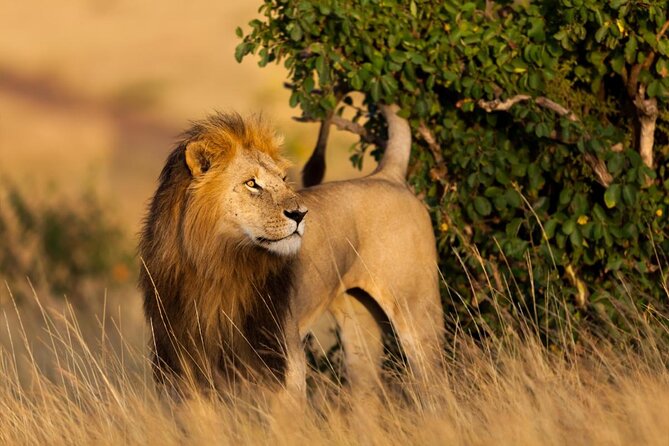
The Mara is known for its range of large mammals, including lion, elephant, buffalo, leopard, rhino, giraffe, zebra, hippo, and crocodile. Predators such as cheetah, hyena, and wild dog may also be seen. The important word is may. A safari is a search, not a zoo visit, and even a strong wildlife area cannot guarantee every species.
I like that the first drive lasts until sunset. You have time to settle into the vehicle, learn how the guide searches, and get used to scanning the grassland. If the drive is productive, it can give you an early look at the reserve before the longer outing on day two.
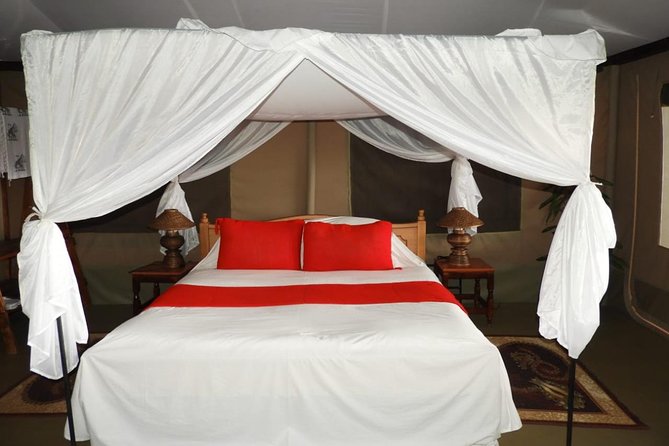
You return to camp after sunset for dinner. The package includes two dinners, covering the first two nights. The accommodation is described as tented, so you should expect a safari camp rather than a conventional city hotel. Specific room facilities are not provided, so anyone needing particular comfort or accessibility details should confirm them before paying.
Day two: ten hours in search of the Big Five
Day two is the heart of the safari. After breakfast, you leave at about 7:30 a.m. with a packed lunch and spend roughly ten hours on a full-day game drive.
This is where the three-day format earns its keep. A short safari can feel rushed because every sighting has to happen in a narrow window. With a full day in the reserve, you have time to cover more ground and wait near a promising area instead of turning back quickly.
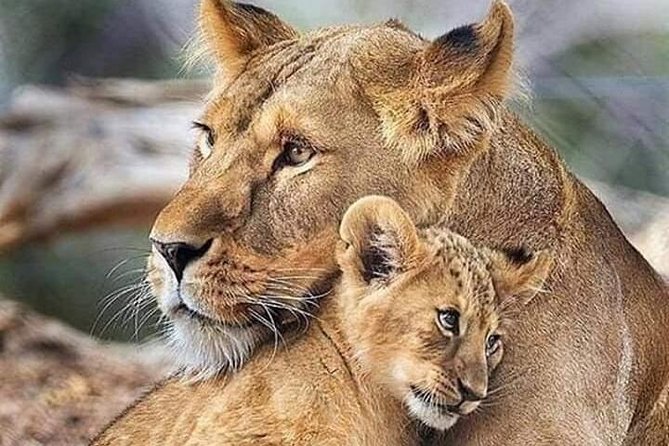
The stated aim is to look for the Big Five: elephant, leopard, rhino, buffalo, and lion. You can also look for cheetah, hyena, wild dog, zebra, wildebeest, giraffe, hippo, and crocodile. The sightings described from this tour include lionesses, a leopard in a tree eating, hippos, zebras, giraffes, and other animals. Those examples show the kind of variety that can make the Mara so rewarding, but they should not be treated as a fixed checklist.
A guide’s skill matters here. Richard is named as one guide connected with the safari, and the supplied details describe him as the guide on one particularly successful outing. The small group limit gives your guide a better chance to provide individual help and keep everyone involved in the search.
You eat lunch at the Mara River, described as a migration point. From July through September, wildebeest move between the Serengeti and Masai Mara, and this is the period associated with migration activity at the river. If seeing a crossing is your main goal, plan carefully around those months. Even then, the timing and exact location of animals cannot be guaranteed.
The river visit has another appeal outside migration season. It can offer the chance to look for hippos and crocodiles, both of which require caution and respect. The stop also breaks up a long day in the vehicle. After lunch, you continue the game drive until sunset, then return to camp.
A ten-hour drive is productive but tiring. You will spend much of the day seated, often on uneven roads, so the stated requirement for moderate physical fitness is worth taking seriously. Bring patience, sun protection, and a willingness to spend long stretches looking without a sighting.
Day three: a final morning and the drive back
The last day begins with breakfast at about 7:30 a.m. You then have time to visit a Maasai village before leaving for Nairobi. This visit is optional and costs $10, paid directly to the village. It is not included in the tour price, so carry the extra cash if you want to add it.
I would treat the village stop as a separate cultural activity, not as part of the wildlife schedule. The available details do not specify how long the visit lasts or what it includes, so ask for a clear explanation before agreeing. That helps you know how it fits with the long drive back.
After the morning stop, you leave Masai Mara and have lunch in Narok. The road continues to Nairobi, with arrival expected in the evening. Day three is listed at about ten hours, making it another substantial road day.
This final transfer is convenient because it brings you back to Nairobi without arranging a separate vehicle. It also means you should avoid booking a flight or a time-sensitive evening activity in the capital. The stated schedule gives an evening arrival, not a precise hour.
A few more Nairobi days to weigh up
- 3 Days Maasai Mara Guided Safari from Nairobi
★ 4.5 · 195 reviews - 3 Day Masai Mara Safari
★ 5.0 · 177 reviews - 3 days group joining safari to Maasai Mara with a Land Cruiser Jeep
★ 5.0 · 173 reviews - 3 days masai mara safari from Nairobi
★ 5.0 · 131 reviews
What the $820 price covers
At $820 per person, this is not a budget safari. The value comes from having many major costs bundled together: transport, parking fees, drinking water, WiFi on board, two breakfasts, three lunches, two dinners, and tented accommodation.
The package also includes hotel transfers from anywhere in Nairobi. That is more useful than it sounds. Nairobi traffic and hotel locations can complicate a very early departure, so door-to-door pickup keeps the start simple.
The small group is another part of the price calculation. A maximum of six people can provide more personal service than a large shared vehicle, and it may make wildlife viewing less awkward. You still need to confirm the vehicle setup and seating arrangement if those details affect your comfort.
The price does not include the Maasai village visit, tips, or personal purchases. It also does not list park admission separately as an extra charge, and the itinerary marks the reserve admission as included or free within the arrangement. Before booking, confirm that no additional park or accommodation charges will be requested.
For someone who wants a complete safari package from Nairobi and does not want to arrange transport, meals, and camp nights separately, the price can make sense. For a person focused mainly on seeing the Mara at the lowest possible cost, a shorter or larger-group option may be cheaper.
The value of a six-person group
A group limit of six is one of the strongest practical features. Wildlife viewing depends on patience and positioning. A smaller group makes it easier for the guide to answer questions, adjust the pace, and help everyone see what is happening.
It also reduces the chance that the vehicle feels packed. That matters during a long day of ten hours, especially when you are carrying a camera or binoculars. The details do not promise a private vehicle, so you should read the six-person limit as a small shared group, not automatically as a private safari.
WiFi on board is included, though signal strength can vary by location. It is best viewed as a useful extra rather than something to rely on throughout the reserve. Drinking water is provided, which keeps one basic expense off your list.
The included meals make the schedule easier. Breakfast starts each safari day, packed lunch supports the full-day drive, and dinner is ready at camp after the afternoon outings. You still need to plan for personal items and tips.
Wildlife expectations in Masai Mara
The Masai Mara is especially appealing if your priority is variety. The tour description names the Big Five and several other mammals, while the available sighting details include lionesses, a leopard feeding in a tree, hippos, zebras, and giraffes.
The leopard sighting is a good reminder of how safari moments often work. You may find a large animal in the open, or you may need to look carefully into a tree or across distant grass. Your guide will be central to spotting movement and choosing where to spend time.
The Mara River adds a more specific target. From July to September, wildebeest migration activity may bring dramatic scenes, but river crossings are unpredictable. You should book those months for the broader migration season, not for a guaranteed crossing at a particular lunch stop.
Outside that period, the reserve still offers strong reasons to go. Lions, elephants, buffalo, giraffes, zebras, hippos, and crocodiles are all named possibilities. A three-day schedule gives you more chances than a single drive, but nature still sets the timetable.
Comfort, timing, and what to bring
The tour requires moderate physical fitness. That likely reflects the long drives and rougher game-drive conditions rather than strenuous walking, since the itinerary is vehicle based. You should be comfortable spending several hours seated and handling early starts.
The opening hours provided for the activity are Monday through Friday, 6:30 a.m. to 7:30 p.m., for the listed operating period. The tour confirmation is issued at booking, and pickup is available in Nairobi. Because the exact pickup time depends on your location, confirm it after booking.
Useful items include:
- Sun protection and a hat
- Comfortable clothing for warm days and cooler mornings
- A camera or phone with enough storage
- Binoculars, if you have them
- Cash for the $10 Maasai village visit, tips, and personal items
- Patience for long drives and quiet periods during game viewing
The reserve is the main event, but the road journey is part of the experience. The Rift Valley viewpoint and the stop in Narok break up the transfer and give you a better sense of the region beyond the park.
Who this safari suits best
This tour suits you if you want a compact safari from Nairobi with transport and meals handled in one booking. It is also a good match if you value a small group and want more than one game-drive period.
It works especially well for first-time safari visitors who want to search for the Big Five without arranging every detail independently. The included pickup, camp stay, food, water, and return transfer simplify the planning.
You may want another option if you dislike long road journeys, need a precise return time, or want luxury accommodation. The two long transfer days leave less time in the reserve than a four or five-day safari would provide, and the tented accommodation may not suit every comfort level.
If your main goal is the wildebeest migration, check the dates carefully. July through September is the stated migration period, but no safari operator can promise a crossing on a particular day.
Should you book the 3 Days Masai Mara safari?
Book it if you want a small-group, road-based safari with a serious full day in Masai Mara and most daily costs included. The strongest reasons are the group limit of six, the long second-day game drive, the Rift Valley viewpoint, and the chance to add a Maasai village visit.
Think twice if $820 stretches your budget or if you want more time inside the reserve. The first and third days involve major road travel, and the safari does not promise specific animals or a migration crossing.
For many visitors based in Nairobi, this is a practical middle ground: more rewarding than a rushed day trip, simpler than planning a safari alone, and focused on the reserve’s wildlife rather than luxury extras.
FAQ
How long is the safari?
The safari lasts approximately three days.
Where does pickup take place?
Hotel transfers are offered from any location in Nairobi.
How many people can join the tour?
The tour has a maximum of six people.
Is food included?
Yes. The package includes two breakfasts, three lunches, and two dinners.
Is drinking water included?
Yes. Drinking water is included.
Is WiFi available?
WiFi on board is included in the package.
Does the Maasai village visit cost extra?
Yes. The visit costs $10, paid directly to the village.
When can I cancel for a full refund?
You must cancel at least three full days before the experience start time for a full refund. Changes or cancellations made later are not accepted or refunded.
Recently added around Nairobi
- Nairobi; City Walk Tour★ 4.5 · 3 reviews
- 2 Days Amboseli National Park Safari★ 3.5 · 3 reviews
- Private 3-Day Masai Mara Safari Adventure★ 5.0 · 3 reviews
- Kenya safari★ 5.0 · 3 reviews
- Full Day, Small Group Guided Tour to Amboseli National Park★ 4.5 · 3 reviews
- 11-Days Best of Kenya & Tanzania Big 5 Safari on a 4×4 Jeep★ 5.0 · 3 reviews
- 10-Days Explore Kenya Wildlife Private Safari★ 5.0 · 3 reviews
- Nairobi: Giraffe Center, Beads Factory & Bomas of Kenya Tour★ 4.5 · 3 reviews
Nairobi Tours, compared.

Nairobi National Park Half-Day Tour; Free Wi-Fi connection
Read our review →
National Park & Optional Elephants & Giraffe Center
Read our review →
NAI NAMI: Nairobi Storytelling Tour with Street Children
Read our review →




Elephant Orphanage and Giraffe Center Tour with Options
Read our review →Browse the lists this tour appears in