
Reviewed · NAIROBI TOURS
13 Days Best of Kenya and Tanzania BudgetSafari
The big draw here is the sheer sweep of the journey. In 13 days, you move from the Maasai Mara and Lake Nakuru to Amboseli, then across into Tanzania for the Serengeti, Ngorongoro Crater, Lake Manyara, and Tarangire. That is a serious safari circuit, not a quick park sampler.
I like the small maximum group of seven and the chance to see very different habitats in one trip. I also like the price, $3,895 per person, for a package that includes meals, transport, park drives, and 11 breakfasts. The tradeoff is comfort: this is a budget safari with camping, early starts, long drives, and a border crossing that can slow the group down.
Key points to know before booking
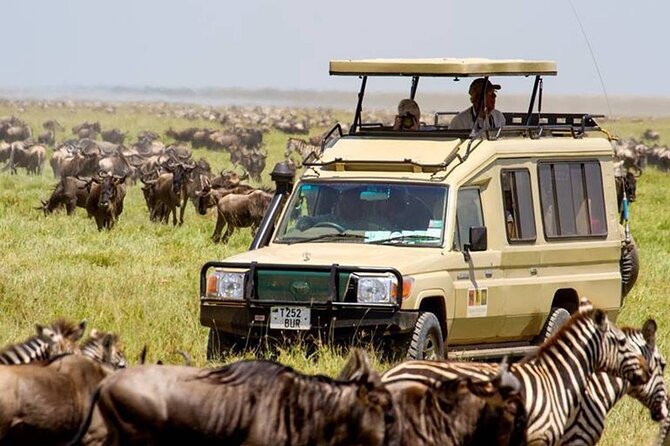
- Seven-person maximum: A small group makes wildlife viewing and communication with your guide easier than on a large coach.
- Five major wildlife areas: You visit the Maasai Mara, Amboseli, Serengeti, Ngorongoro Crater, and Tarangire, with Lake Nakuru and Lake Manyara added to the route.
- Camping is part of the deal: Expect campsites and tented accommodation, including tents with showers, flush toilets, and mosquito nets on the first night.
- The Kenya-Tanzania transfer takes time: Day 6 includes the Namanga border, visas, and a shuttle to Arusha.
- Guides can make a major difference: Sammy and Zack are named in the trip feedback, and Zack is praised for his wildlife knowledge and vehicle handling.
- The route favors range over relaxation: You see a lot, but several days involve roughly six to eight hours of driving and touring.
From Nairobi to the Maasai Mara on day one
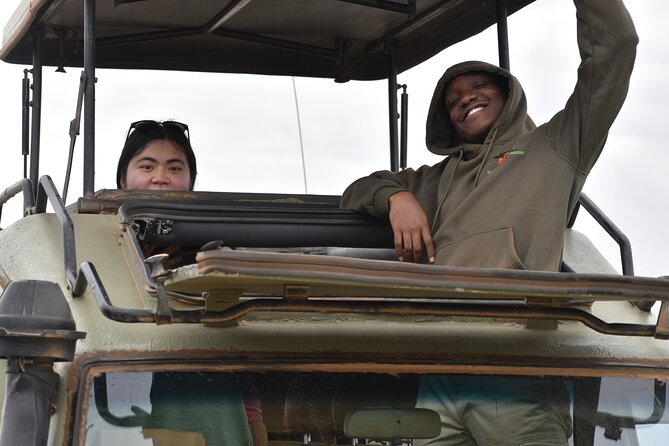
Your 7:30 a.m. pickup from Nairobi begins a long first day. The route heads toward the Maasai Mara, with a stop at the Great Rift Valley viewpoint and lunch in Narok. These are useful breaks, but you should still expect much of the day to be spent on the road.
The first game drive begins after arrival. That timing gives you an immediate taste of the reserve, though it may be shorter than a full park outing because of the distance from Nairobi. Your guide tracks animals and birds from the vehicle, and the group then settles into camp for dinner and the night.
The listed tent setup is basic but practical. The tents have showers, flush toilets, and mosquito nets, which matter after a dusty day outside. If you are new to safari camping, pack a headlamp, a small overnight bag, and clothes that can handle dirt. Your main luggage may be easier to manage if you do not need to unpack everything at each stop.
More Kenya and Tanzania Safaris in Nairobi:
- Ultimate 12 Days Private Safari Tour in Kenya and Tanzania
★ 5.0 · 60 reviews - 12 Days Best Of Kenya and Tanzania Safari – Luxury
★ 5.0 · 36 reviews - 12 Days Kenya and Tanzania Budget Private Safari from Nairobi
★ 5.0 · 28 reviews
A full Maasai Mara day with hippos and crocodiles
Day 2 gives the Maasai Mara the time it deserves. You spend the day on game drives across rolling savannah, using the reserve’s network of roads and tracks to search for wildlife at close range.
This is one of the strongest parts of the route. The Mara is known for its concentration of major African animals, so this is where you have a good chance of seeing lions, elephants, buffalo, leopards, and rhinos, although no safari can promise a particular sighting. The guides’ skill matters here. A good guide watches animal behavior, speaks with other drivers, and knows when to wait quietly rather than rush from one sighting to the next.
Lunch is a picnic near the hippo pool, with hippos and crocodiles nearby. That adds a memorable sense of place, but follow your guide’s instructions closely and stay with the group. A picnic in a wildlife area is not the moment to wander off for a better photograph.
The price of this full day is an early start and a late return to camp. You will spend a lot of time in the vehicle, but this is a worthwhile trade if wildlife is your main reason for coming.
Lake Nakuru adds rhinos and birdlife
Day 3 begins with a pre-breakfast game drive, then turns into a transfer day toward Lake Nakuru. The route includes views of Mount Longonot and Lake Naivasha from the highway, with lunch along the way.
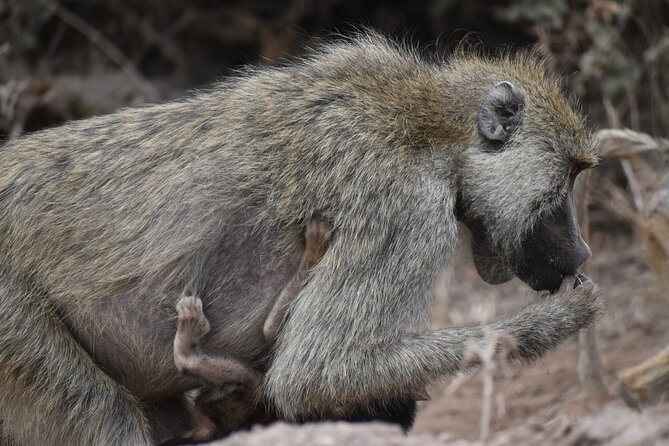
Day 4 starts with a game drive in Lake Nakuru National Park. The park is especially useful for birdwatching and for its white rhino sanctuary. Flamingoes may be present, and Cape buffalo and waterbuck are often associated with the shoreline areas described in the route.
Lake Nakuru changes the rhythm of the safari. The Maasai Mara is about broad grasslands and large animal sightings, while Nakuru gives you a smaller park with a different focus. If you care about birds, this is more than a filler stop.
The drawback is the amount of driving packed around the visit. After the Nakuru outing, you continue toward Amboseli. This route covers a lot of ground, but it leaves limited time for unhurried stops.
Amboseli, elephants, and a possible Kilimanjaro view
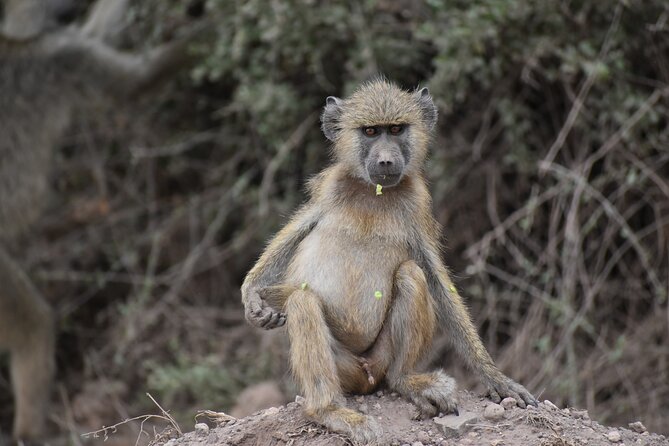
Amboseli receives a full game-drive day on Day 5. Its swamp areas attract elephants and hippos, while antelope, plains animals, and birds add variety. The park is also known for views of Mount Kilimanjaro, though the peak depends on weather conditions.
That weather warning is important. Kilimanjaro may be hidden by cloud, so treat the mountain as a bonus rather than a promise. The elephants, however, are a central reason to visit. The swamp areas bring animals together, which can make sightings rewarding even when the mountain is not visible.
The experience changes notably in rainy weather. One account describes two wet days in Amboseli and Tsavo, yet the guides adjusted the plan and still produced strong sightings, including elephants in mist. That is a useful reminder that flexible guiding matters more than perfect skies.
You receive a picnic lunch and return to camp afterward. As with the Mara, this is an active day with plenty of vehicle time. Bring a waterproof layer and protect your camera or phone from sudden rain.
A few more Nairobi days to weigh up
- Nairobi National Park Half-Day Tour; Free Wi-Fi connection
★ 5.0 · 878 reviews - Nairobi: National Park & Optional Elephants & Giraffe Center
★ 4.8 · 874 reviews - NAI NAMI: Nairobi Storytelling Tour with Street Children
★ 5.0 · 792 reviews - Nairobi National Park Half-Day Game Drive
★ 4.5 · 738 reviews
Crossing from Kenya to Tanzania on day six
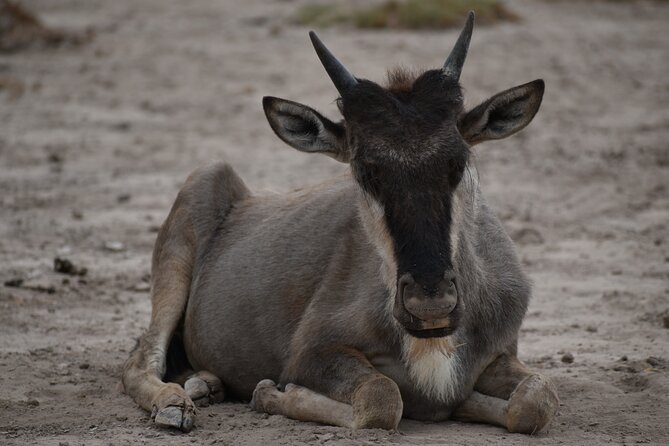
Day 6 is less about wildlife and more about logistics. After a final morning game drive, you head to Namanga, complete the border and visa process, and board a shuttle bus to Arusha. You then check in at the Arusha Tourist Inn on a bed-and-breakfast basis.
This handoff is a key part of the trip. You are not simply driving from one park to the next in one uninterrupted safari vehicle. The border crossing involves paperwork, a change of transport, and a change in national park systems. Keep your passport accessible and carry essential medication, valuables, and one change of clothes with you.
The tour requires your passport name, number, expiry date, and country at booking. Visas are not included, so check the requirements for your nationality before you leave. The package also does not include tips or alcoholic drinks.
Arusha works as a practical overnight stop before the Tanzania portion begins. Do not expect a major sightseeing day here. The value is in breaking up the route and giving you a bed before the next park.
Lake Manyara begins the Tanzanian safari
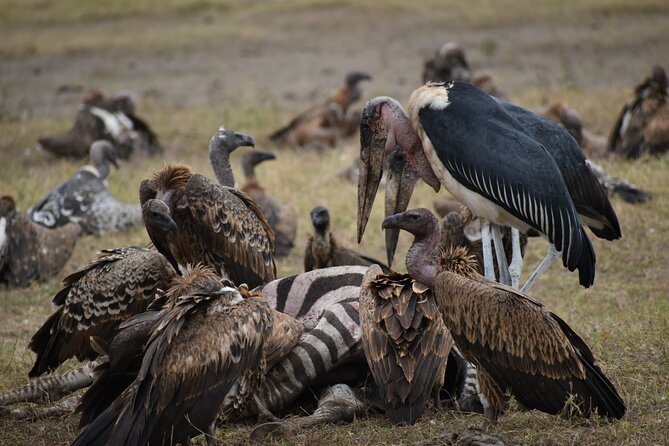
After breakfast on Day 7, you drive to Lake Manyara National Park for an afternoon game drive. Dinner and the night are at a campsite.
Lake Manyara is a compact but varied stop. The schedule gives you only an afternoon, so the visit is more of an introduction than a full exploration. You might find birds and plains animals, and the park adds a different setting before the route climbs toward the Serengeti and Ngorongoro area.
Budget camping keeps the overall cost down, but it also means you should be comfortable with simple facilities and changing conditions. The information supplied does not specify the exact amenities at every campsite, so ask what is provided before departure if you need particular arrangements.
Olduvai Gorge and two days in the Serengeti
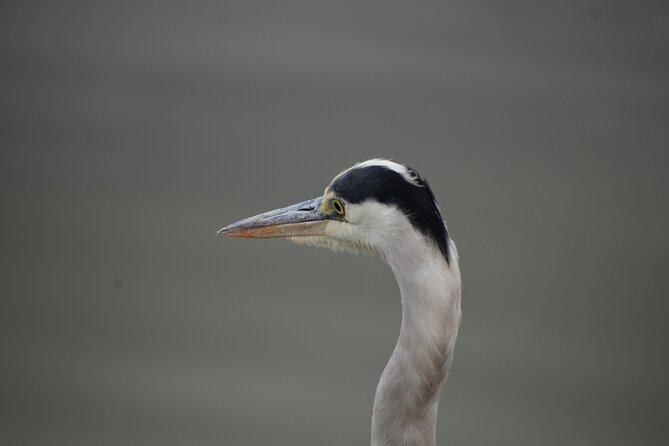
Day 8 takes you toward the Serengeti, passing Olduvai Gorge. The site is associated with the Leakey family’s discoveries of human and animal fossils dating back nearly two million years. Even with a limited schedule, this stop adds scientific and human context to the safari.
You then continue to a campsite in or near the Serengeti area. Day 9 provides a full day on the plains, with morning and afternoon game drives. This is one of the most valuable design choices in the program. The Serengeti is too large for a quick drive-through, and a second day gives you another chance to search for animals missed earlier.
The Serengeti is the place for open views and the possibility of dramatic predator sightings. Lions resting on rocky outcrops and cheetahs moving across the plains are the kinds of encounters this section can produce. They are never guaranteed, but the extra game-drive time improves your chances.
Camping here is also the most direct way to feel close to the setting. It is not a luxury lodge experience. Nights can be basic, and your comfort will depend on your tolerance for camping, road dust, and limited privacy. The reward is a safari that feels more immediate and less polished.
A practical point: one trip account describes a three-hour delay while a safari truck was repaired. Mechanical problems are not part of the advertised schedule, but that experience shows why you should keep some patience and flexibility. The itinerary covers large distances, and a vehicle delay can affect an entire day.
Ngorongoro Crater makes a concentrated wildlife day
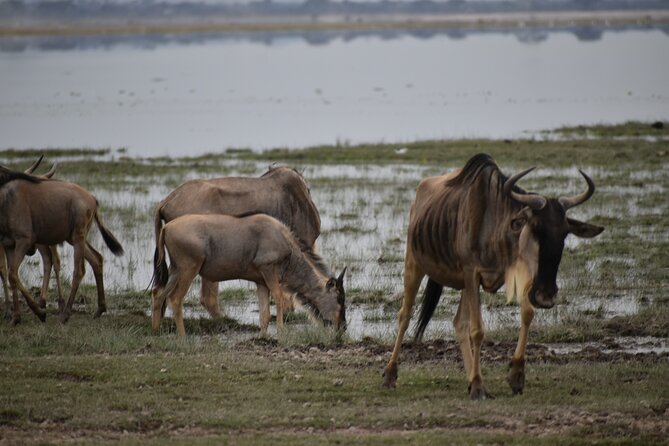
On Day 10, a four-wheel-drive vehicle takes you roughly 2,000 feet down into Ngorongoro Crater. You have a picnic lunch inside the crater before climbing back to the campsite.
This is a compact, high-value wildlife day. The crater’s enclosed setting can make animal viewing feel concentrated, and the descent itself is part of the experience. You spend about six hours on the day’s activity, less than on several other days, which gives the route a slightly easier pace.
The tradeoff is that the crater visit is not a slow, multi-day stay. You descend, explore, eat lunch, and climb out. If Ngorongoro is the main purpose of your trip, you may wish the schedule allowed more time. If you want to combine it with the Serengeti and other parks, this format is efficient.
Tarangire closes the park circuit
Day 11 takes you to Tarangire National Park, where you spend the night at a campsite. Day 12 includes a final game drive before returning to Arusha for a hotel night.
Tarangire is known for large elephant numbers, baobab trees, and the possibility of tree-climbing lions. It is also a strong bird park, with more than 550 species recorded. The swamps near the Tarangire River attract breeding birds, and yellow-collared lovebirds may be seen in the trees.
This park gives the final safari days a different look from the Mara and Serengeti. Baobabs, river areas, and swamps create a varied setting, and the birdlife gives you something to watch when larger animals are quiet.
The second Tarangire day is useful because it lets you search again before leaving. Afterward, you return to Arusha and spend the night at a hotel, a welcome change after the campsites.
The final shuttle back toward Nairobi
Day 13 is a four-hour return by shuttle to Nairobi or onward to your next destination. The activity ends back at the meeting point, but the exact usefulness of this final day depends on your onward plans.
Do not schedule a tight international flight without checking the timing carefully. The listed duration is approximate, and border or road delays can happen. If you are continuing elsewhere, keep your essential items with you during the transfer.
What the $3,895 price really covers
At $3,895 per person, this is not a shoestring outing, but the price covers a great deal of ground. You receive private transportation for the safari arrangements, guided game drives, parking fees, lunch, dinner, and 11 breakfasts. You also get access to several major parks in two countries.
The value is strongest if you want variety and do not want to arrange separate park fees, vehicles, meals, and accommodation yourself. The small group limit of seven adds value too, since you are not placed on a large sightseeing bus.
The price does not cover visas, alcoholic drinks, tips, or the optional Maasai village visit, listed at $10 per person. Ask for a clear breakdown of the accommodation in each location, since the route uses a mix of tented campsites, a budget hotel, and the Arusha Tourist Inn.
This is a budget safari in the truest sense. The itinerary is ambitious, the camps are part of the experience, and long road days are unavoidable. You are paying for access, range, and guided wildlife time more than for polished lodging.
Who will get the most from this safari
I would recommend this trip to you if your priority is seeing many famous parks in one continuous journey. It suits active first-time safari visitors, couples who prefer adventure to resort comfort, and solo visitors who want a small group rather than a fully private trip.
It can also work well for families, since children must be accompanied by an adult and the route includes a broad mix of wildlife. Still, the long drives and basic camps may be tiring for younger children.
You should think twice if you need luxury lodging, short transfers, or a relaxed pace. The route crosses two countries and includes many six-to-eight-hour days. One account also raised concerns about feeling unsafe and leaving the trip early, while other experiences describe solo visitors feeling supported and guides working hard through poor weather. I would ask specific questions about vehicle condition, the Kenya-Tanzania handoff, campsite facilities, and emergency procedures before paying.
The strongest praise centers on the guides and the animal sightings. Zack is singled out for his wildlife knowledge, while Sammy and Zack are credited with adapting well in bad weather. That makes the guide assignment worth confirming, although schedules can change.
Should you book it?
Book this safari if you want a large wildlife itinerary at a controlled price and you accept camping, road time, and some rough edges. The combination of Maasai Mara, Amboseli, Serengeti, Ngorongoro, and Tarangire is hard to beat for variety.
Skip it if a smooth, luxury-focused holiday matters more than the number of parks. Before booking, confirm the exact camps, vehicle arrangements, border process, visa requirements, and what happens if repairs or weather disrupt the schedule. You can cancel for a full refund up to 24 hours before the local start time, which gives you a little room to check those details first.
FAQ
Where does the safari start?
It starts in Nairobi, Kenya, with pickup offered from the meeting point at 7:30 a.m.
Where does the safari end?
The final transfer goes back toward Nairobi or to your next destination. The activity ends back at the meeting point.
How long is the experience?
The safari lasts approximately 13 days.
How large can the group be?
The maximum group size is seven travelers.
Are meals included?
Lunch, dinner, and 11 breakfasts are included. Alcoholic drinks are not included but may be available for purchase.
Are park admission fees included?
Admission tickets and parking fees are included for the listed parks where specified. The Serengeti entries are shown without a separate admission ticket charge in the daily schedule.
Is camping part of the safari?
Yes. Several nights are at campsites or camps. The first camp is described as having tents with showers, flush toilets, and mosquito nets.
Is the Maasai village visit included?
No. The optional Maasai village visit costs $10 per person.
Are visas included?
No. You are responsible for visa costs and requirements. The itinerary includes a visa process at the Namanga border between Kenya and Tanzania.
Can I request vegetarian meals?
Yes. A vegetarian option is available, but you should request it when booking.
Recently added around Nairobi
- Nairobi; City Walk Tour★ 4.5 · 3 reviews
- Private 3-Day Masai Mara Safari Adventure★ 5.0 · 3 reviews
- Kenya safari★ 5.0 · 3 reviews
- 2 Days Amboseli National Park Safari★ 3.5 · 3 reviews
- 11-Days Best of Kenya & Tanzania Big 5 Safari on a 4×4 Jeep★ 5.0 · 3 reviews
- Full Day, Small Group Guided Tour to Amboseli National Park★ 4.5 · 3 reviews
- 10-Days Explore Kenya Wildlife Private Safari★ 5.0 · 3 reviews
- Nairobi: Giraffe Center, Beads Factory & Bomas of Kenya Tour★ 4.5 · 3 reviews
Nairobi Tours, compared.

Nairobi National Park Half-Day Tour; Free Wi-Fi connection
Read our review →
National Park & Optional Elephants & Giraffe Center
Read our review →
NAI NAMI: Nairobi Storytelling Tour with Street Children
Read our review →




Elephant Orphanage and Giraffe Center Tour with Options
Read our review →Browse the lists this tour appears in