
Reviewed · NAIROBI TOURS
10 -Days Best of Kenya and Tanzania Classic Safari
The best part of this safari is the sheer variety packed into one overland route. In ten days, you move from the Maasai Mara and its famous grasslands to flamingo country, Kilimanjaro views, elephant-filled Tarangire, the Serengeti, and Ngorongoro Crater. It is a serious wildlife itinerary, not a gentle resort holiday.
I like the private 4×4 Land Cruiser and the fact that all game drives, park fees, meals, accommodation, and drinking water are covered. I also like the human touch: guides named Bonaya, Justin, and Simon are praised for spotting animals, explaining local life, and helping the trip run smoothly.
The trade-off is mileage. Several days involve long drives, including the 5 to 6 hours from Nairobi to the Mara and the Kenya-Tanzania border crossing. The published material also calls the trip both 10 and 11 days, so confirm the exact schedule and lodging before paying.
Key points to know before booking
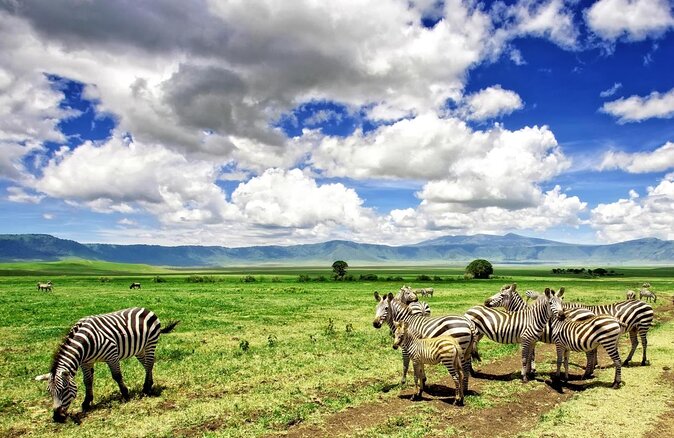
- The Big Five are the main goal: Maasai Mara, Serengeti, and Ngorongoro offer the strongest wildlife focus.
- The route covers six major safari areas: Maasai Mara, Lake Nakuru, Amboseli, Tarangire, Serengeti, and Ngorongoro Crater.
- You cross at Namanga: You leave your Kenyan vehicle and guide, pass immigration, then continue with a Tanzanian vehicle and guide.
- Kilimanjaro views depend on conditions: Amboseli offers the classic setting, but the mountain may not always show clearly.
- A Maasai village visit is optional: The cultural visit includes singing and dancing, but it is not part of the core included safari.
- The price includes the expensive essentials: At $5,785 per person, park fees, lodging, meals, transport, and emergency cover are included.
From Nairobi to the Maasai Mara
Your pickup is scheduled for 7:30 a.m. in Nairobi. The guide gives you a safari briefing, then the long drive southwest begins. This first day is less about constant wildlife viewing and more about moving into Kenya’s famous Mara region.
The road takes about five to six hours. A stop at the Great Rift Valley gives you a chance to photograph the broad drop, along with the Suswa Ranges and Mount Longonot. It is a worthwhile pause after leaving Nairobi, especially because it breaks up the drive early in the trip.
Lunch is planned in Narok Town, with a simple buffet of traditional Kenyan food. Do not expect a long restaurant stop with a wide tourist menu. Think of it as practical fuel before the final stretch to the reserve.
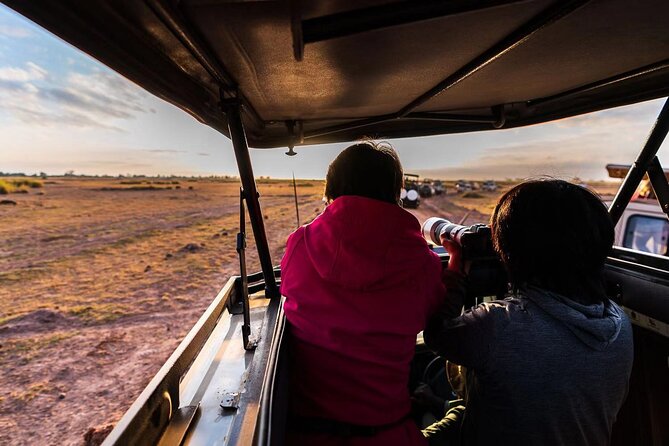
After arrival, you have time to settle in before an afternoon game drive. This is a sensible first taste of the Mara, though the schedule can feel full after the morning road journey. Your first animals may be less important than getting used to the vehicle, guide, and rhythm of safari.
More Kenya and Tanzania Safaris in Nairobi:
- Ultimate 12 Days Private Safari Tour in Kenya and Tanzania
★ 5.0 · 60 reviews - 12 Days Best Of Kenya and Tanzania Safari – Luxury
★ 5.0 · 36 reviews - 12 Days Kenya and Tanzania Budget Private Safari from Nairobi
★ 5.0 · 28 reviews
Two game-drive days in Maasai Mara
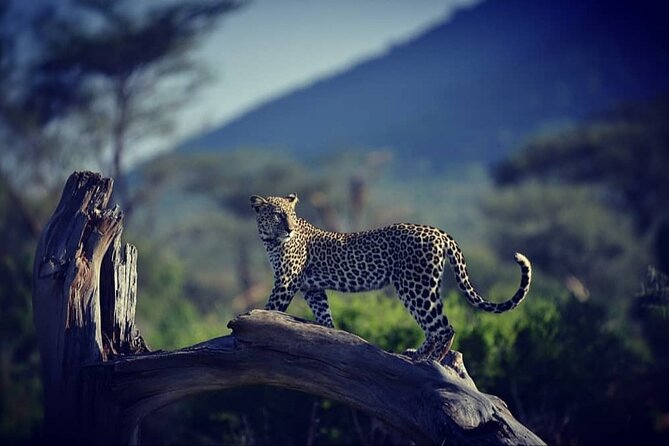
The Maasai Mara gets a full day on Day 2, and that is one of the strongest choices in the plan. After breakfast, you spend about eight hours searching for lions, leopards, buffalo, elephants, rhinos, cheetahs, hyenas, jackals, warthogs, giraffes, zebras, antelope, wildebeest, and birds.
The Mara is one of the best places on this route for predators and large herds. Your guide’s skill matters greatly here. Bonaya is one of the guides associated with this service, and his animal knowledge has been specifically praised. A good guide does more than drive toward the nearest animal. He helps you understand behavior, tracks, distance, and why a particular sighting matters.
A picnic lunch at the Mara River is included. The river is linked with the famous wildebeest migration, but timing is crucial. The migration is seasonal, and crossing activity is never guaranteed at a particular spot or on a particular day. If your main goal is a river crossing, ask for the planned travel dates and how the route changes during migration season.
The schedule says over three million large mammals inhabit the wider region. Treat that as a broad description of the ecosystem rather than a promise that you will see every listed species. Leopards and rhinos are especially difficult sightings, while lions, buffalo, elephants, zebra, giraffe, and wildebeest are more realistic targets.
Lake Nakuru brings birds and rhinos
Day 3 takes you toward Lake Nakuru, with a game drive along the way and a picnic lunch. You arrive in the early evening, with accommodation at Flamingo Hill Camp.
Lake Nakuru is included for its birdlife as much as its mammals. The lake is known for flamingos that can gather along the shore, creating the famous pink effect. The number of flamingos can change, so keep expectations flexible. The park also records more than 400 bird species, making this a useful stop if you enjoy identifying birds rather than simply photographing the largest animals.
The mammal list includes Rothschild’s giraffe, black and white rhinos, waterbuck, reedbuck, lions, buffalo, leopards, baboons, and other plains animals. The early morning game drive on Day 4 gives you another chance to see the park before breakfast.
This is a good example of the itinerary’s range. You are not seeing the same grassland scene every day. Nakuru adds water, birds, and a different mix of animals. The drawback is another long transfer day, with roughly eight hours allocated to the route and activities.
Amboseli and the Kilimanjaro backdrop
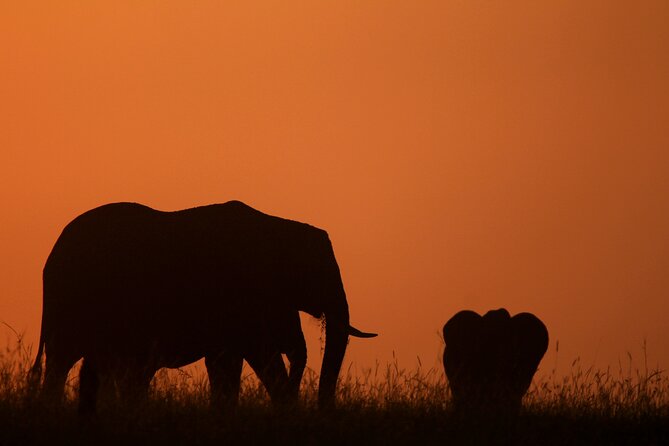
After the morning Nakuru drive and breakfast, you continue to Amboseli National Park. The park’s water supply comes from rainfall and water filtered through volcanic rock associated with Mount Kilimanjaro. That water supports wildlife in an otherwise dry setting.
Amboseli is best known for elephants and for views toward Kilimanjaro. On Day 5, you have an extensive game drive with chances to see wildebeest, giraffes, baboons, and other animals. When the mountain is visible, it gives the safari a memorable backdrop. Cloud cover can hide it, so the mountain should be considered a bonus rather than a guaranteed sight.
This section also gives you a chance to add a Maasai village visit. It is optional, and the stated program includes a welcome with singing and dancing and an introduction to Maasai culture. Ask about the additional cost and exact content before accepting the visit. Cultural encounters are more useful when you know how long they last and what is included.
Two nights in Amboseli make sense. You get one transfer day with a game drive and one fuller wildlife day. Still, the overall route is fast. You will spend plenty of time in the vehicle, so bring patience, a hat, water protection for your camera, and something to occupy you between sightings.
More safaris from Nairobi:
- Safari Tour; Nairobi National Park
★ 4.5 · 594 reviews - Half-Day Nairobi National Park Safari from Nairobi with Free Pickup
★ 4.5 · 264 reviews - 5 Days Masai Mara, Lake Nakuru & Naivasha Budget Joining Safari
★ 5.0 · 229 reviews - 3 Days Gamedrive Safari In Masai Mara From Nairobi
★ 5.0 · 207 reviews
Crossing from Kenya into Tanzania
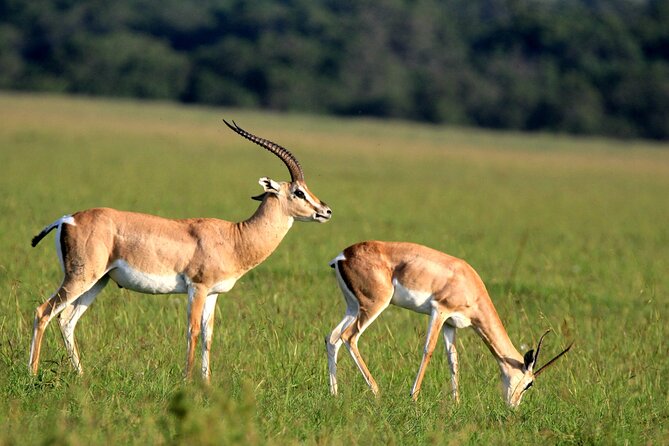
Day 6 begins with breakfast and a drive to Namanga, the border point between Kenya and Tanzania. You pass through immigration, then change vehicles and guides. This is a normal part of a two-country safari, but it can take time and may feel less polished than the wildlife days.
After the border, you continue toward Arusha for lunch, then head to Tarangire National Park for an afternoon game drive. The change of vehicle is important: your Kenyan guide and Land Cruiser do not simply continue through Tanzania.
Justin is one of the Tanzanian guides associated with the service, and his ability to explain local life has been praised. Simon is another named guide who has been credited with close animal sightings and helpful service. You may not be assigned to these specific people, so ask for the guide plan if personal continuity matters to you.
The border day is practical rather than leisurely. Immigration procedures, lunch, and the drive to Tarangire make for a packed schedule. The reward comes in the afternoon, when Tarangire adds large elephant groups, lions, cheetahs, olive baboons, impalas, and the striking shapes of baobab trees.
A sunset among baobabs is one of the more distinctive scenes on the route. Tarangire is not simply a quick filler between Kenya and the Serengeti. It gives you a different setting and a strong chance of elephant viewing.
The Serengeti gets two game-drive periods
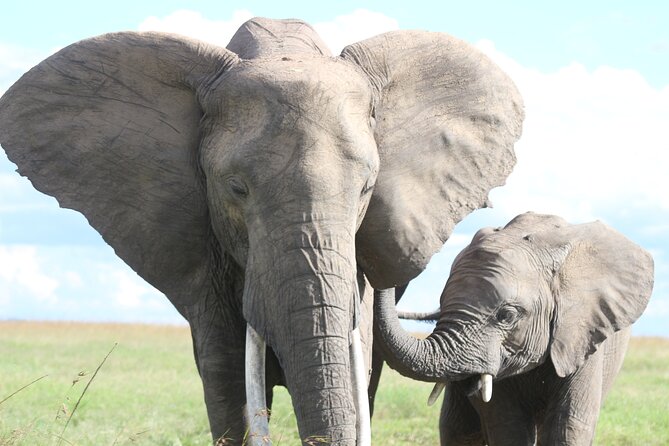
On Day 7, you leave for the Serengeti with game viewing along the way. You check in and have lunch at Acacia Central Camp, followed by a short rest before an afternoon drive.
The name Serengeti refers to endless plains in the Maasai language, and the open scale is the point. The central area is known for carnivores such as leopards, hyenas, and cheetahs, as well as lions, buffalo, and common zebra. Birds include eagles, vultures, flamingos, ducks, and geese.
Day 8 gives you morning and afternoon game drives, with lunch and a break at camp or lodge during the middle of the day. This split is more comfortable than spending every hour in the vehicle. Morning and late afternoon also tend to be the most appealing parts of the safari day because the light is softer and animals may be active.
The Serengeti and Maasai Mara are part of the same broad migration system. Wildebeest and zebra move between them, but their location changes with season, rain, and grazing conditions. The itinerary includes the right parks for migration country, but no responsible operator can guarantee a particular herd, predator, or river crossing.
Acacia Central Camp is named as the base here. Accommodation elsewhere is included, but the supplied details do not identify every property, so confirm the full lodging list if camp style, private bathrooms, or room standards matter to you.
Ngorongoro Crater is the grand finale
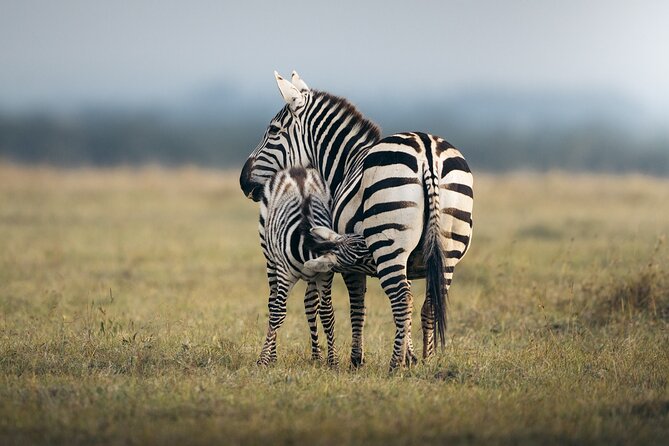
Day 9 starts early, with a drive to Ngorongoro Crater and lunch before the descent. The crater floor sits about 2,000 feet, or 670 meters, below the rim. A full-day crater tour follows, with a break at Ngoitoktok Springs picnic site.
Ngorongoro is compact compared with the Serengeti, but it can produce a concentrated wildlife day. The stated sightings include black-maned lions, rhinos, buffalo, elephants, and grazing animals. The enclosed crater setting gives you a different sense of scale and terrain after the open plains.
The early start and full schedule are worth noting. You may have already spent several days on rough roads and long drives, so this is not a light sightseeing day. But as a final wildlife stop, Ngorongoro brings together many of the animals people hope to see on a first East African safari.
Castle Lodge Ngorongoro is the named overnight accommodation. Dinner and the night at the lodge follow the crater visit. Because the crater is a major highlight, check how the timing works on your dates, particularly if you want a longer crater-floor visit rather than a hurried route back to the lodge.
Returning to Arusha on Day 10
After breakfast, you drive through the park and continue to Arusha for lunch. After lunch, the team takes you to your hotel or the airport for your next flight.
The final day is listed at about six hours. Do not schedule a tight onward connection unless the operator confirms the exact transfer time. Roads, immigration, wildlife stops, and weather can affect a safari schedule.
The published details describe the trip as approximately ten days, while the overview refers to eleven days. That difference may be a simple wording error, but it is worth clearing up before booking. Ask for exact start and end dates, the first pickup point, the final drop-off point, and the number of nights in each camp.
What $5,785 covers
At $5,785 per person, this is a major purchase. The value depends on how many people share the private vehicle, the quality of the included accommodation, and how much you value having one operator arrange two countries.
The package includes all transfers, accommodation, meals, drinking water, game drives, a 4×4 Safari Land Cruiser, an English-speaking guide and driver, government taxes, park entrance fees, and Flying Doctors medical, emergency, and rescue cover. Park fees alone can make a multi-park safari expensive, so their inclusion matters.
Breakfast is listed nine times, lunch ten times, and dinner nine times. The package description also says all meals are included during the tour. Confirm the meal count and which meals are provided on arrival and departure days.
You pay extra for international flights, visas, travel insurance, tips, laundry, alcohol, and the optional balloon safari. The balloon safari is listed at $425 per person. That is a substantial add-on, so treat it as a separate choice rather than part of the basic price.
The private format is another part of the value. Only your group participates, which gives you more control than a large shared coach. It does not necessarily mean the vehicle is exclusive to one person, and the number of people in your group is not stated. Ask how many passengers the Land Cruiser normally carries.
Guides, comfort, and the pace of the road
The strongest service details are tied to the guides and staff. Bonaya is associated with the Kenyan portion, while Justin and Simon are named in connection with the Tanzanian side. Peter Macharia is described as the person handling calls and emails from start to finish, and Jason is associated with airport reception at Mount Kilimanjaro.
These names give you useful points of contact, but they are not a guarantee of assignment. If animal spotting is your top priority, ask who will guide each country and how long each guide has worked in the parks.
You need moderate physical fitness. The tour is not described as a walking safari, but long drives, early departures, vehicle time, and changing camps can wear you down. The route is best for someone who wants a broad first look at Kenya and Tanzania and accepts that convenience comes with a busy schedule.
The included emergency and rescue cover is reassuring, but it is not the same as full travel insurance. You still need separate coverage for trip cancellation, baggage, medical costs, and other risks because travel insurance is excluded.
Free cancellation is available if you cancel at least 24 hours before the experience start time. Changes or cancellations inside that window are not accepted for a refund.
Who should book this safari?
I would choose this trip if you want the classic East African highlights in one organized route. You get two countries, several major parks, a border crossing, a range of accommodation, and a strong chance of seeing large mammals without planning every permit and transfer yourself.
It suits first-time safari visitors who want the Big Five, photographers who value variety, and couples or families who prefer a private group. Bird watchers will appreciate Lake Nakuru, while elephant fans have both Amboseli and Tarangire.
I would hesitate if you dislike long road days, want a slow stay in each park, or require a fixed luxury standard in every lodge. The itinerary moves quickly, and several details about specific accommodation and group size need confirmation.
Should you book the 10-day Kenya and Tanzania safari?
Book it if your priority is coverage: Maasai Mara, Lake Nakuru, Amboseli, Tarangire, Serengeti, and Ngorongoro in one trip. The included fees, meals, transport, guide service, and emergency cover make the $5,785 price easier to assess, especially for a private two-country arrangement.
Before booking, get the exact day count in writing, confirm every lodge, ask who your guides will be, and clarify the number of people in your Land Cruiser. If those answers suit you, this is a strong classic safari route with real wildlife variety and helpful guide support.
FAQ
How long is the safari?
The experience is advertised as approximately 10 days. The overview also refers to 11 days, so you should confirm the exact duration and dates before booking.
Where does the safari start?
Pickup is offered in Nairobi, with a stated start time of 7:30 a.m.
Is this a private tour?
Yes. Only your group participates in the activity.
Which parks and reserves are included?
The route includes Maasai Mara National Reserve, Lake Nakuru National Park, Amboseli National Park, Tarangire National Park, Serengeti National Park, and Ngorongoro Crater.
Is transportation included?
Yes. Transfers and game drives are included in a 4×4 Safari Land Cruiser.
Are park entrance fees included?
Yes. Applicable government taxes, levies, and park entrance fees are included.
Are meals included?
Yes. The package includes meals and drinking water. The detailed meal count lists 10 lunches, 9 dinners, and 9 breakfasts.
Is the Maasai village visit included?
No. The Maasai village visit is optional. The stated program includes singing and dancing and an introduction to Maasai culture, but the additional cost is not provided.
Is the balloon safari included?
No. A balloon safari is an optional extra listed at $425 per person.
What is not included in the price?
International flights and taxes, passport and visa costs, travel insurance, tips, gratuities, personal laundry, and alcoholic drinks are not included.
What cancellation terms apply?
You can receive a full refund if you cancel at least 24 hours before the experience start time. Cancellations or changes made less than 24 hours before the start time are not accepted for a refund.
Recently added around Nairobi
- Nairobi; City Walk Tour★ 4.5 · 3 reviews
- Private 3-Day Masai Mara Safari Adventure★ 5.0 · 3 reviews
- Kenya safari★ 5.0 · 3 reviews
- 2 Days Amboseli National Park Safari★ 3.5 · 3 reviews
- 11-Days Best of Kenya & Tanzania Big 5 Safari on a 4×4 Jeep★ 5.0 · 3 reviews
- Full Day, Small Group Guided Tour to Amboseli National Park★ 4.5 · 3 reviews
- 10-Days Explore Kenya Wildlife Private Safari★ 5.0 · 3 reviews
- Nairobi: Giraffe Center, Beads Factory & Bomas of Kenya Tour★ 4.5 · 3 reviews
Nairobi Tours, compared.

Nairobi National Park Half-Day Tour; Free Wi-Fi connection
Read our review →
National Park & Optional Elephants & Giraffe Center
Read our review →
NAI NAMI: Nairobi Storytelling Tour with Street Children
Read our review →




Elephant Orphanage and Giraffe Center Tour with Options
Read our review →Browse the lists this tour appears in